The Women Who Hold the Mountains: Hat Tharp's Sex-Ratio Story
With 1,115 women for every 1,000 men and 86% female literacy, Hat Tharp is held up by its women. A look at the sex ratio, migration, and the quiet strength of the hills.
In a country that has agonised for decades over its missing daughters, a small Himalayan village offers a number that stops you mid-sentence. In Hat Tharp, for every 1,000 men, there are 1,115 women.
Read that again. Not 940. Not 1,000. One thousand one hundred and fifteen.
This is the story of those women — the ones who hold the mountains up while the world looks elsewhere — and of what their quiet, overwhelming presence reveals about the past, the future, and the soul of a village.
A statistic that defies a nation
To understand why Hat Tharp's sex ratio is extraordinary, you have to see it against the backdrop of the country it belongs to.
| Sex ratio (women per 1,000 men) | Figure |
|---|---|
| India (Census 2011) | 943 |
| Uttarakhand (Census 2011) | 963 |
| Hat Tharp | 1,115 |
While much of India still struggles with the consequences of son-preference and skewed ratios, Hat Tharp sits in a different reality altogether — one where women are not a minority to be counted and worried over, but a majority who run the village.
And yet, this beautiful statistic hides a harder truth. To understand why there are so many women, you must ask where the men have gone.
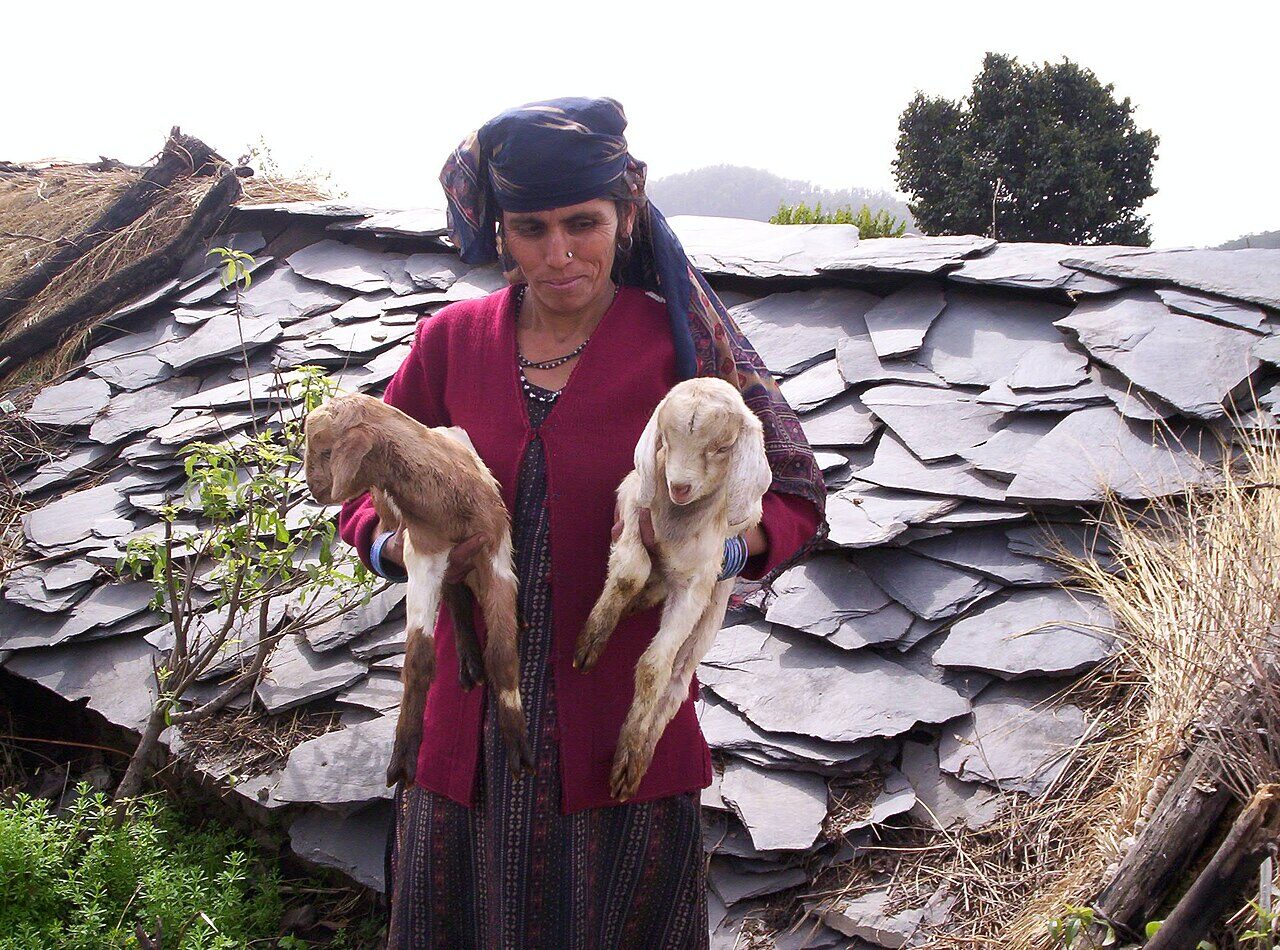
The mountain that men leave
The answer is one of the defining stories of Uttarakhand: out-migration.
For generations, the thin soils and limited opportunities of the high Himalaya have pushed men down to the plains and the cities in search of work — to the army, to government posts, to jobs in distant states. They send money home. Economists have a name for this: the "money-order economy," where a village survives in part on remittances posted back from far away.
The men leave. The women stay. And so a sex ratio of 1,115 is, in part, a map of absence — a measure of how many husbands, sons, and brothers are working a thousand kilometres away so that the family land, the children, and the elders can be cared for at home.
This is the bittersweet heart of the number. It is a story of women's strength and a story of the sacrifice that mountain families make to survive.
What the women actually carry
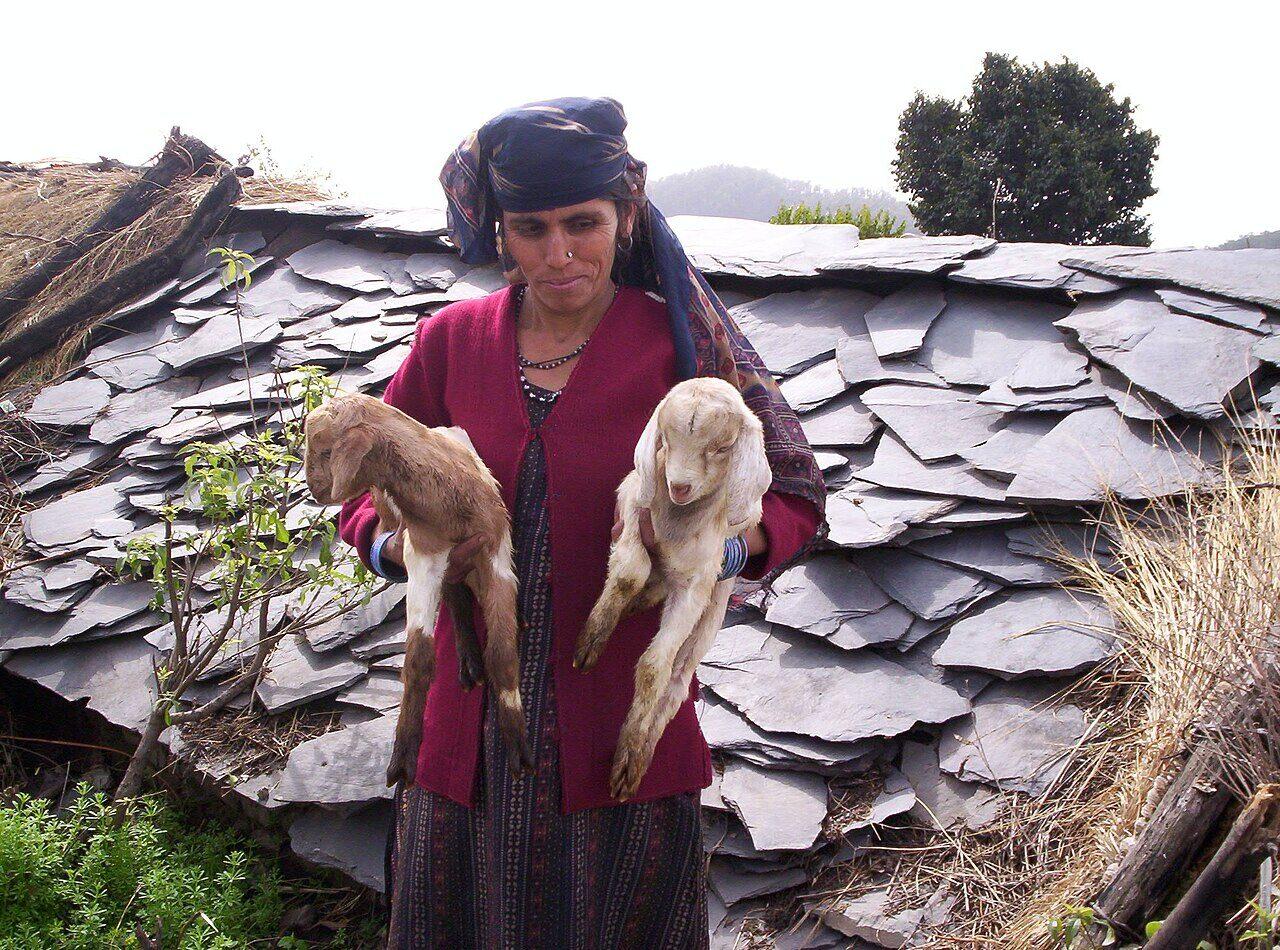
It is one thing to say women are the majority. It is another to understand what that majority does. In Hat Tharp, as across the Kumaon hills, the woman is not one contributor to village life. She is the load-bearing wall of the entire structure.
She runs the farm
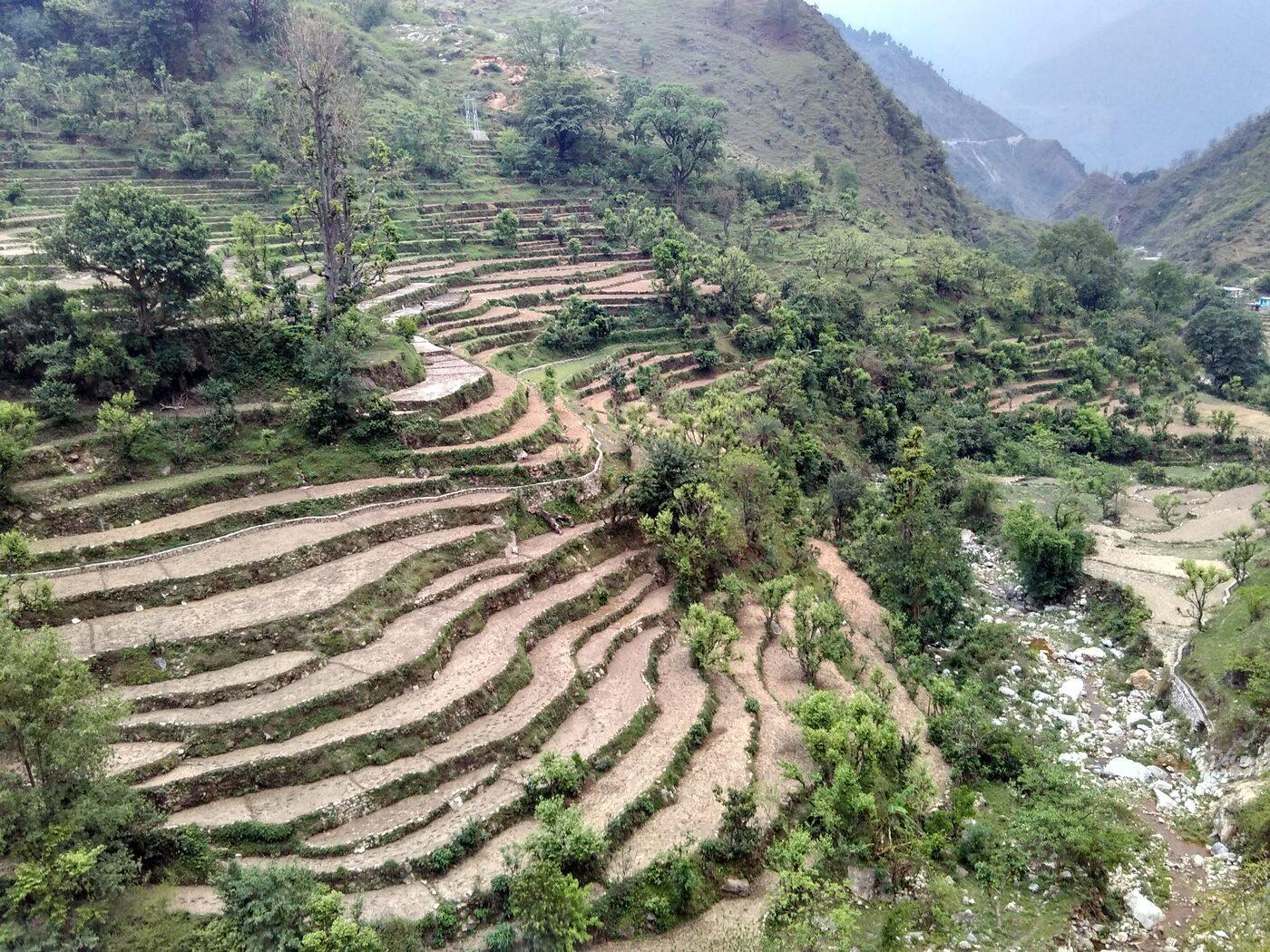
With many men away, it is women who do the bulk of the agricultural labour on the terraced fields — sowing and harvesting paddy, finger millet (mandua), barley, wheat, and Kala Bhatt. The data confirms it: of the village's workforce, the overwhelming majority are marginal workers, mostly cultivators, and a great many of them are women. The food on the family plate is, quite literally, in their hands.
She fetches the water and the fodder
In the hills, water does not come from a tap and fodder does not come from a shop. Women walk to the springs and climb to the forest, carrying the daily weight of survival on their backs — often for hours, every single day.
She raises an educated generation
Here is where the story turns luminous. Despite carrying so much, the women of Hat Tharp have helped build one of the most educated communities in rural India.
More women than men — a Himalayan exception
Sex ratio: women per 1,000 men
Source: Census of India 2011
The literacy miracle
Look closely at these numbers, because they are the real headline.
| Literacy | Hat Tharp |
|---|---|
| Overall | 91.27% |
| Male | 97.28% |
| Female | 86.18% |
A female literacy rate of 86% in a remote Himalayan village — a place of steep paths, hard winters, and limited infrastructure — is nothing short of a triumph. It means that the women who run Hat Tharp are not only strong; they are educated, informed, and equipped to lead.
This single fact changes everything about the village's future. An educated woman:
- raises healthier, better-schooled children,
- adopts new ideas — like waste segregation and carbon-smart farming — faster and more thoroughly,
- and participates in decisions that shape the community.
When a village's women can read, plan, question, and teach, that village has already won half of every battle it will ever face.
The literacy story, by gender
Hat Tharp vs the Uttarakhand average
Source: Census of India 2011
The shadow in the sunlight: the child sex ratio
Honesty requires us to name a worry hidden inside the good news. While the overall sex ratio is a remarkable 1,115, the child sex ratio (ages 0–6) stands at 758 girls per 1,000 boys.
That is a warning sign, and Hat Tharp does not hide it. It hints that the old preference for sons — the pressure that has skewed so much of India's demographics — may not have entirely spared even this village.
But here is the hopeful truth: a community with 86% female literacy is precisely the kind of community that can turn this around. Educated mothers and empowered women are the single most powerful force on earth against gender bias. The very women this village has raised are its best defence for the daughters yet to come.
"Our daughters and our mothers are the strength of this village," says Gram Pradhan Manoj Bhandari. "When the men are away, it is the women who keep the fields alive, the children in school, and the home standing. Their education and their dignity are not a side issue — they are the foundation of everything we hope to build."
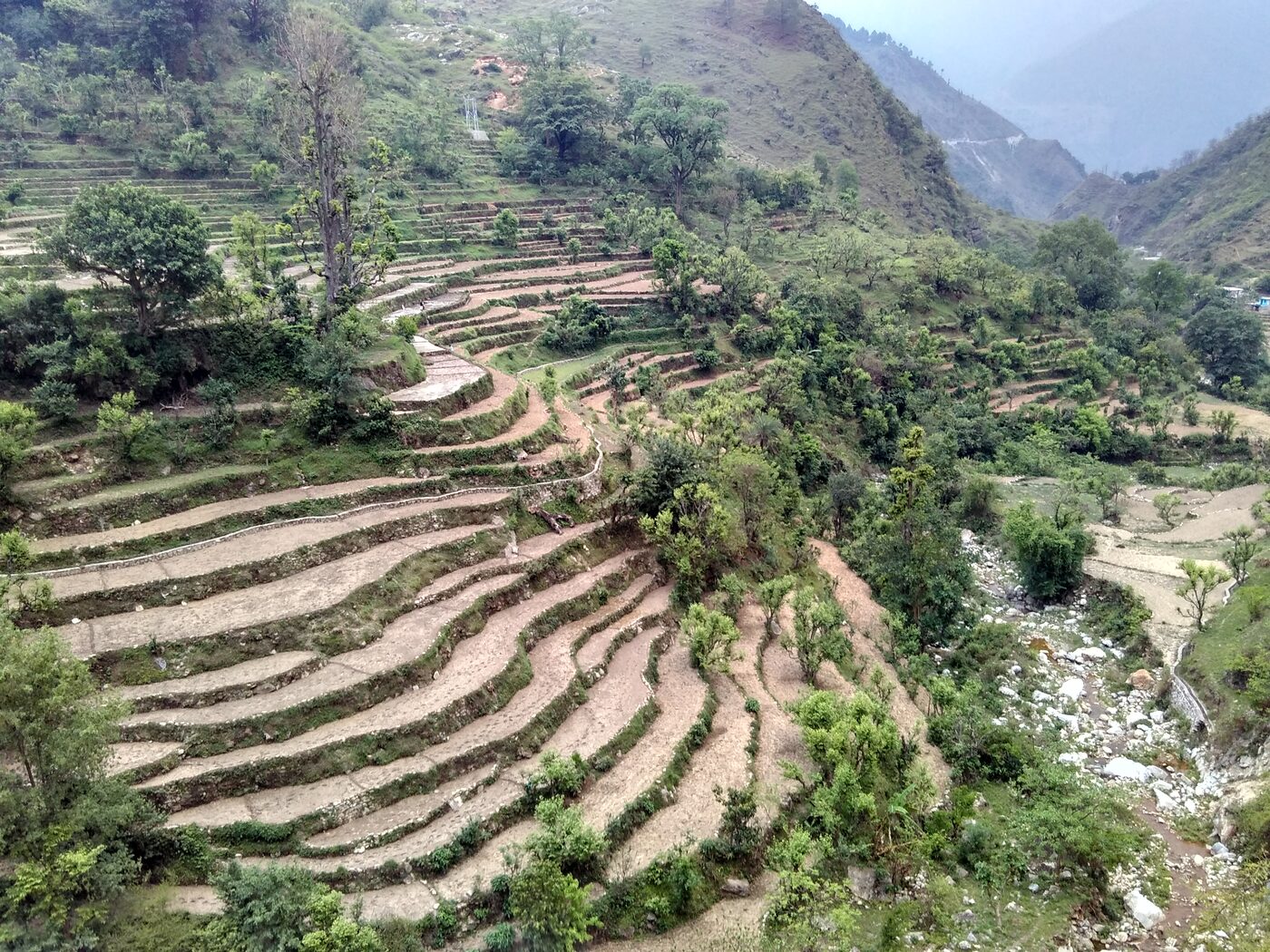
Why this matters for the carbon-smart future
A village does not become carbon-smart through machines. It becomes carbon-smart through behaviour — and in Hat Tharp, daily behaviour is shaped overwhelmingly by women.
- It is women who manage household waste, making them the front line of the garbage-free mission.
- It is women who run the organic farms, keeping the soil and seed traditions alive.
- It is women who gather water and fodder, giving them an intimate, expert stake in protecting springs and forests.
Any vision for Hat Tharp's future that does not place its women at the centre is not a vision at all. The village knows this. Its future will be built by, and decided with, the women who already hold it together.
The deeper truth
There is a psychological lesson in Hat Tharp that the wider world needs to hear. We tend to measure a community's strength by its visible, often male, achievements — its buildings, its earners, its leaders on a stage.
But the real strength of a place is usually quieter, and usually carried by its women: the unpaid labour, the children raised, the traditions kept, the land tended through every season of absence. Hat Tharp's sex ratio of 1,115 forces that invisible strength into the daylight.
These are the women who hold the mountains. Not metaphorically — actually. They hold the soil with their farming, the water with their care, the next generation with their teaching, and the culture with their endurance.
Honour them by paying attention
The best thing the world can do for the women of Hat Tharp is to see them — and to support a future in which their daughters are valued as fiercely as their sons.
That future is being built here, in real time: through education, through dignity, and through a village honest enough to celebrate its strengths and name its shadows in the same breath.
To learn more or to support the village's work, contact the Gram Panchayat at +91 98737 51617 or admin@villagehat.in.
In the hills above Didihat, the mountains are held up by women. It is time the rest of us looked up and noticed.