Culture & Heritage

A living heritage of trade, faith and forest

From the trans-Himalayan barter routes that gave the village its name to the sacred forests that still cloak its hills.

Trans-Himalayan Trade Heritage

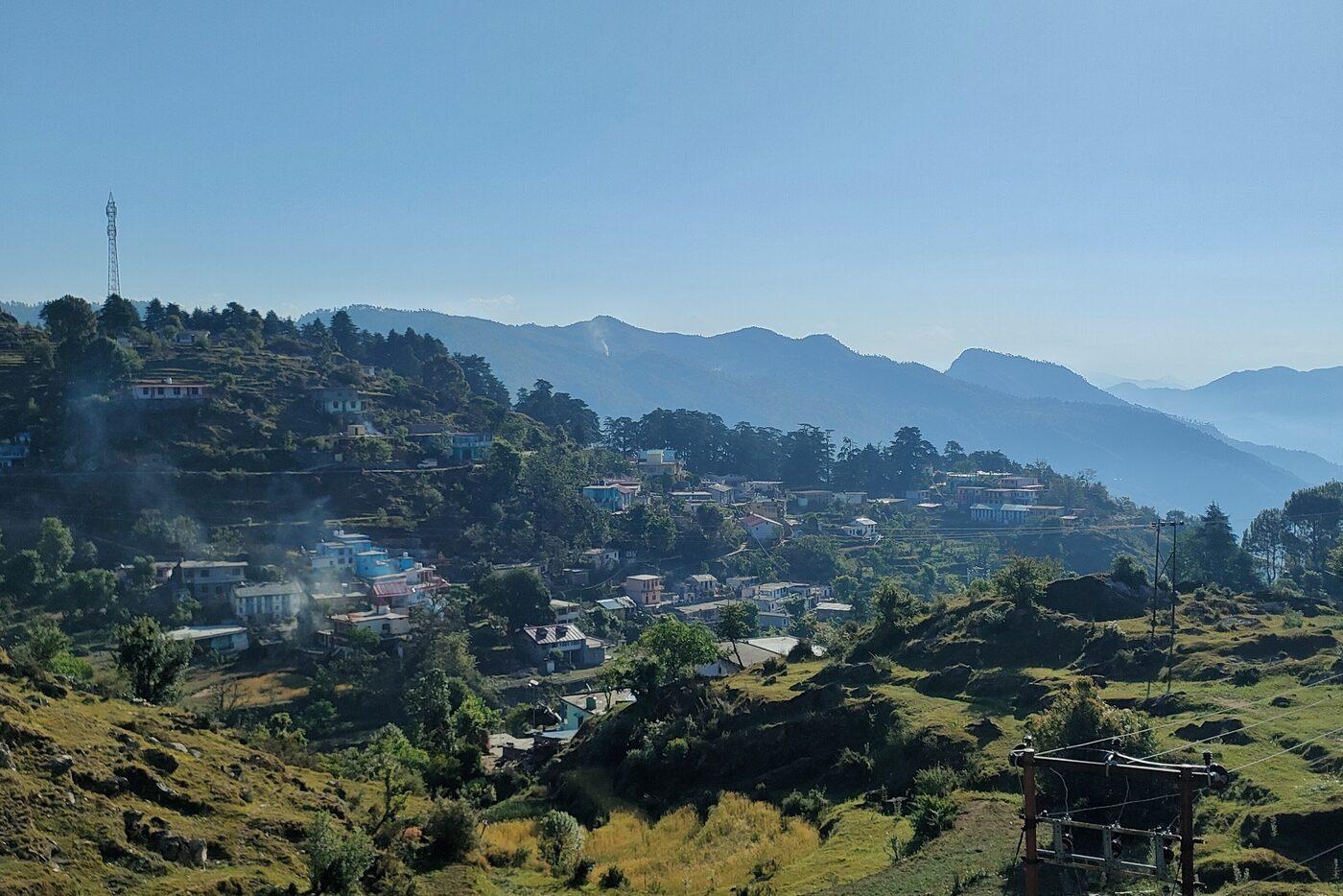
Hat Tharp's foundational identity is that of an economic nexus. On prescribed market days, merchants from adjoining high-altitude regions descended into the Haat Valley to barter raw wool and rock salt brought from the Tibetan plateau for the staple grains cultivated in the valley. This trade bridged trans-Himalayan routes with localized agrarian production and gave the village — and later Didihat — its very name.
Trans-Himalayan Trade Heritage

Eco-Theology & the Sacred Forest

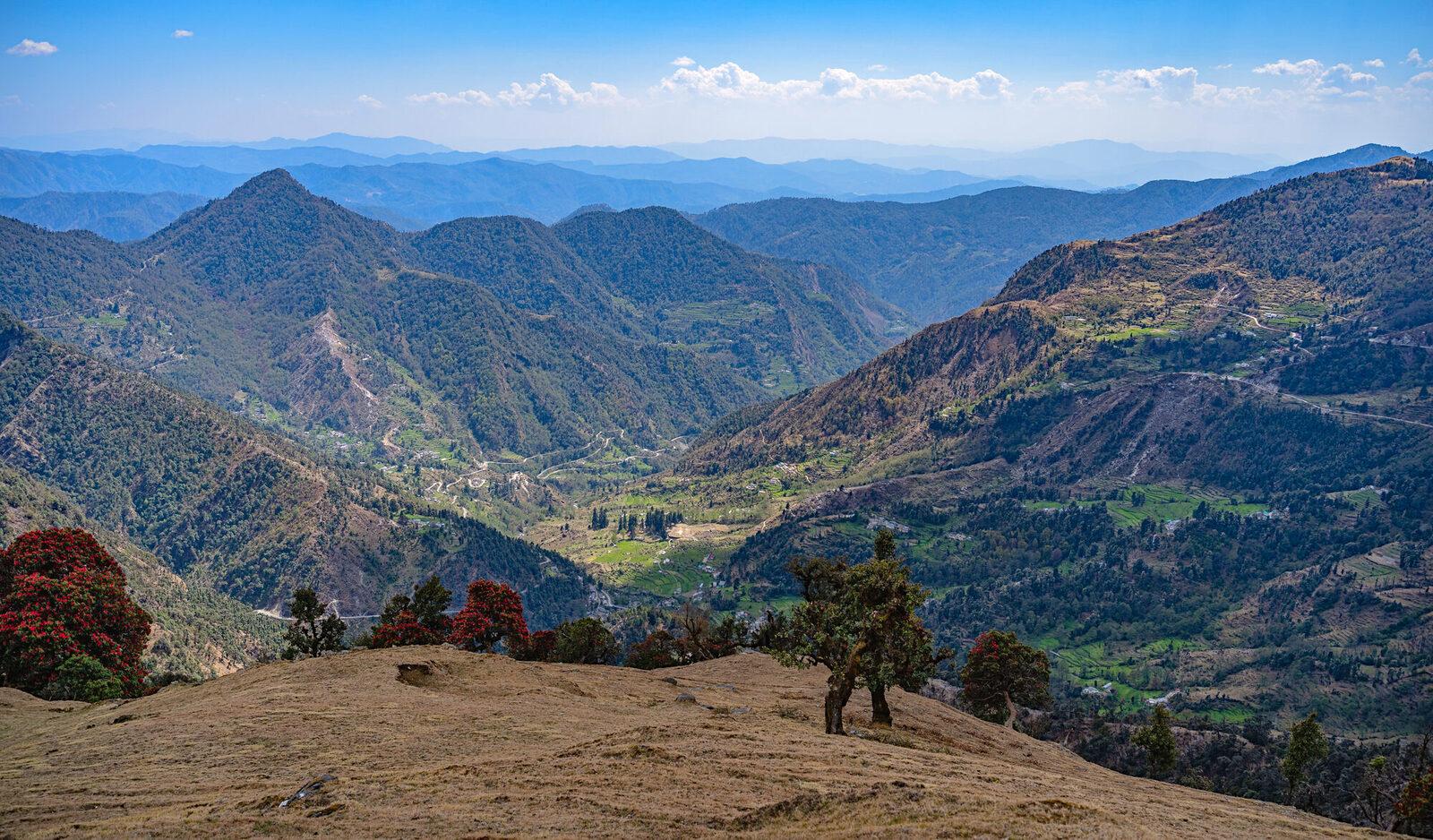
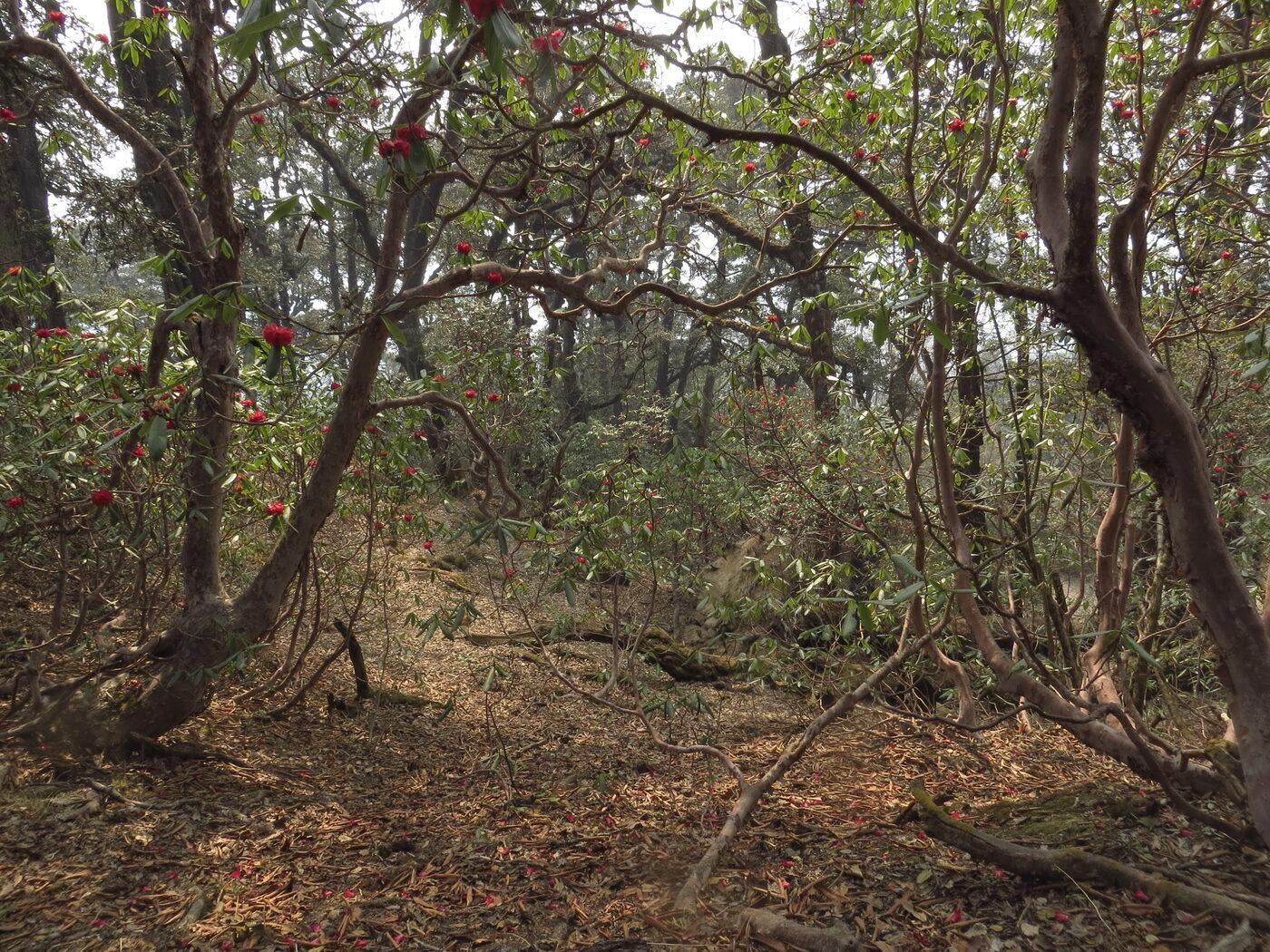
Perhaps Hat Tharp's most remarkable cultural asset is its eco-theological conservation framework: forests dedicated to local deities and protected by the community as sacred. This indigenous practice has kept roughly 90% of the village's land under forest cover — offering a highly effective, sustainable alternative to state-led environmental conservation, and the spiritual foundation of the carbon-smart vision.

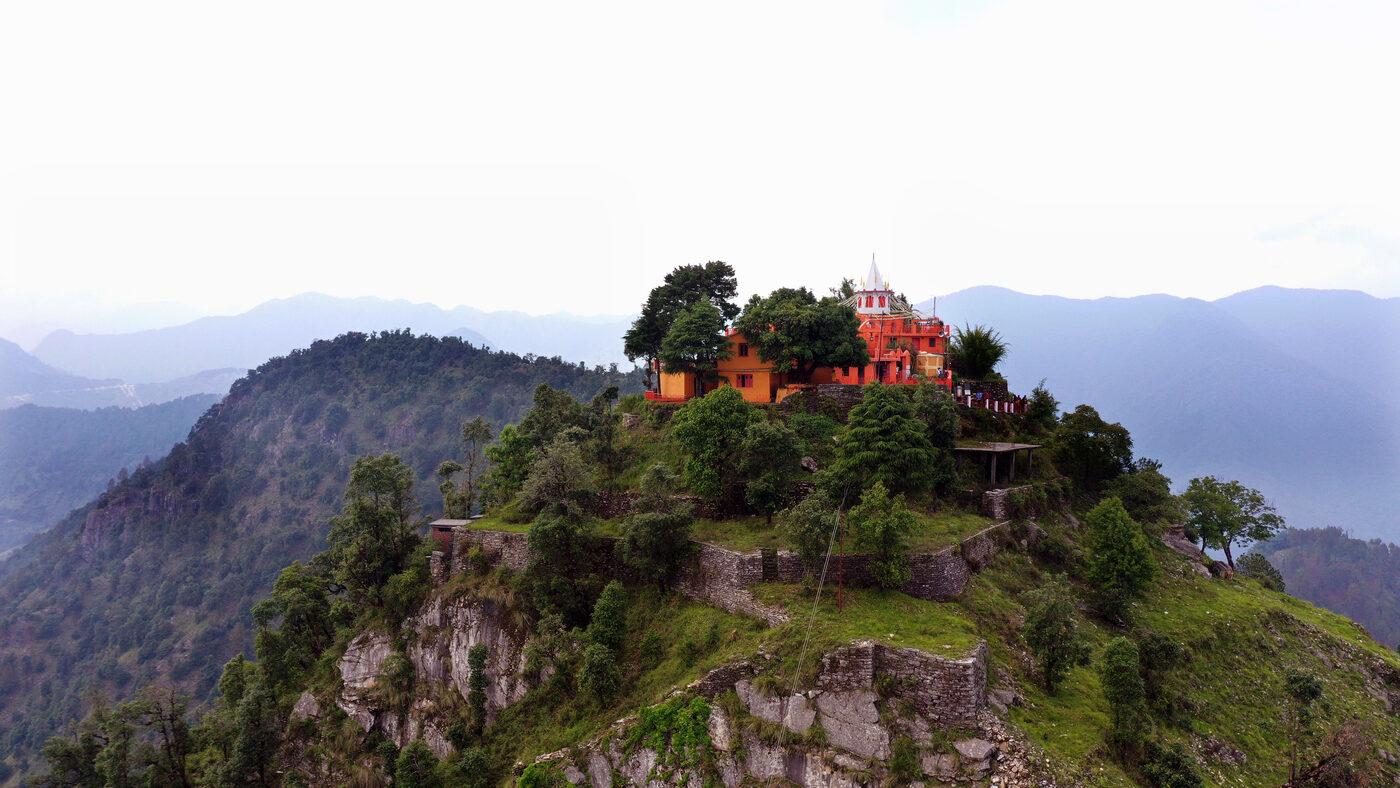
The Malaynath Temple at Sirakot, dedicated to Lord Malay Nath (a form of Shiva) and built by the Raika kings, anchors the valley's sacred geography.

Eco-Theology & the Sacred Forest

A Ten-Year Vow to Maa Bhagwati

The people of Hat Tharp devised one of the most striking community-conservation ideas in the region: they dedicated their entire forest to Maa Bhagwati of Pankhu for ten years. For that decade no one was permitted to take an axe to the forest — only the collection of dry, fallen wood was allowed.

This is not folklore but a living, documented practice of traditional ecological governance — a sacred social contract that protected biodiversity, springs and carbon stocks through faith rather than fences. It is the truest foundation of Hat Tharp's carbon-smart identity, and a model of grassroots climate action centuries ahead of its time.

A Ten-Year Vow to Maa Bhagwati

Hiran Chital & One of Didihat's Oldest Ramlilas

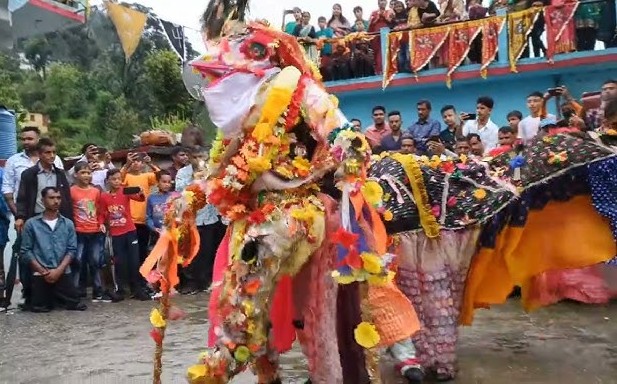
Hat Tharp is famous for its Hiran Chital Festival, celebrated during the rainy season — a vivid expression of the village's bond with the deer and wildlife of its forests.

The village also stages one of the oldest Ramlilas of the entire Didihat area — the traditional dramatic enactment of the Ramayana — keeping a centuries-old performance heritage alive for new generations. Together these traditions make Hat Tharp a custodian of intangible cultural heritage for the whole region.

Hiran Chital & One of Didihat's Oldest Ramlilas

Cuisine & Living Traditions

The broader Didihat region is celebrated across Kumaon for Khaichua, a traditional sweet meticulously prepared from khoya (heavily reduced milk solids) — a dairy tradition historically sustained by the rich fodder of the surrounding forests.

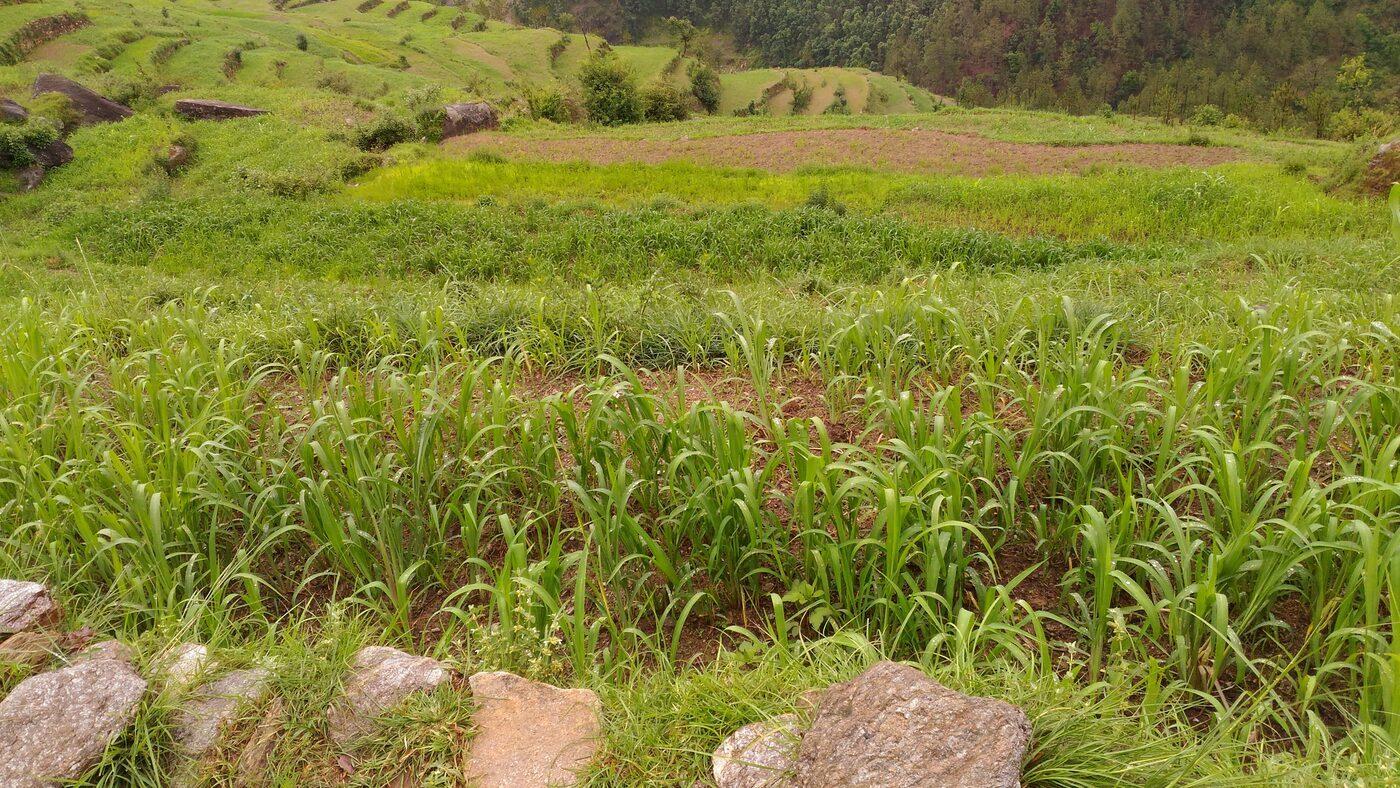
The everyday diet is rooted in indigenous, nutrient-dense crops — Madua (finger millet), Bhatt and Kala Bhatt (traditional and black soybean) — integral to both nutrition and identity.

Cuisine & Living Traditions

Bheem Ka Patthar — The Worshipped Stone

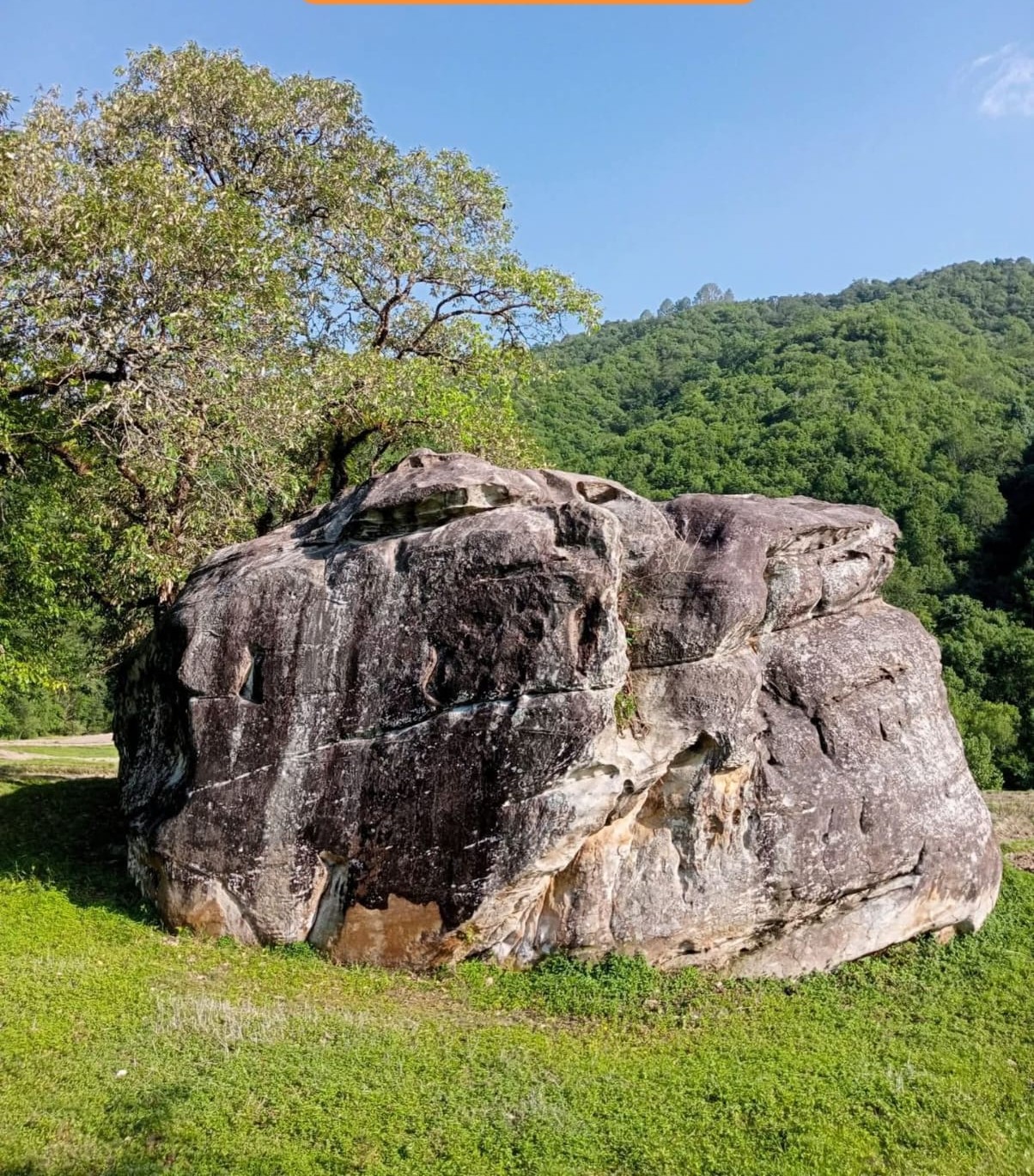
In the middle of a field in Hat Tharp stands a single stone larger than a house — known to all as Bheem Ka Patthar (Bheem's Stone), after the mighty Pandava of the Mahabharata.

Every year the villagers gather to worship at this stone, a tradition that binds the community to its land and its epics. For visitors, it is a tangible, awe-inspiring link between geology, mythology and living faith — and one of the village's most distinctive heritage landmarks.

Bheem Ka Patthar — The Worshipped Stone

Lineages & Oral History

Village oral histories trace the original demographic core of Hat Tharp to the Shahji and Bhandari lineages, who are said to have migrated and settled in the valley during the feudal eras to serve the religious and administrative needs of the ruling elites — a heritage carried forward today, including by Gram Pradhan Mr. Manoj Bhandari.