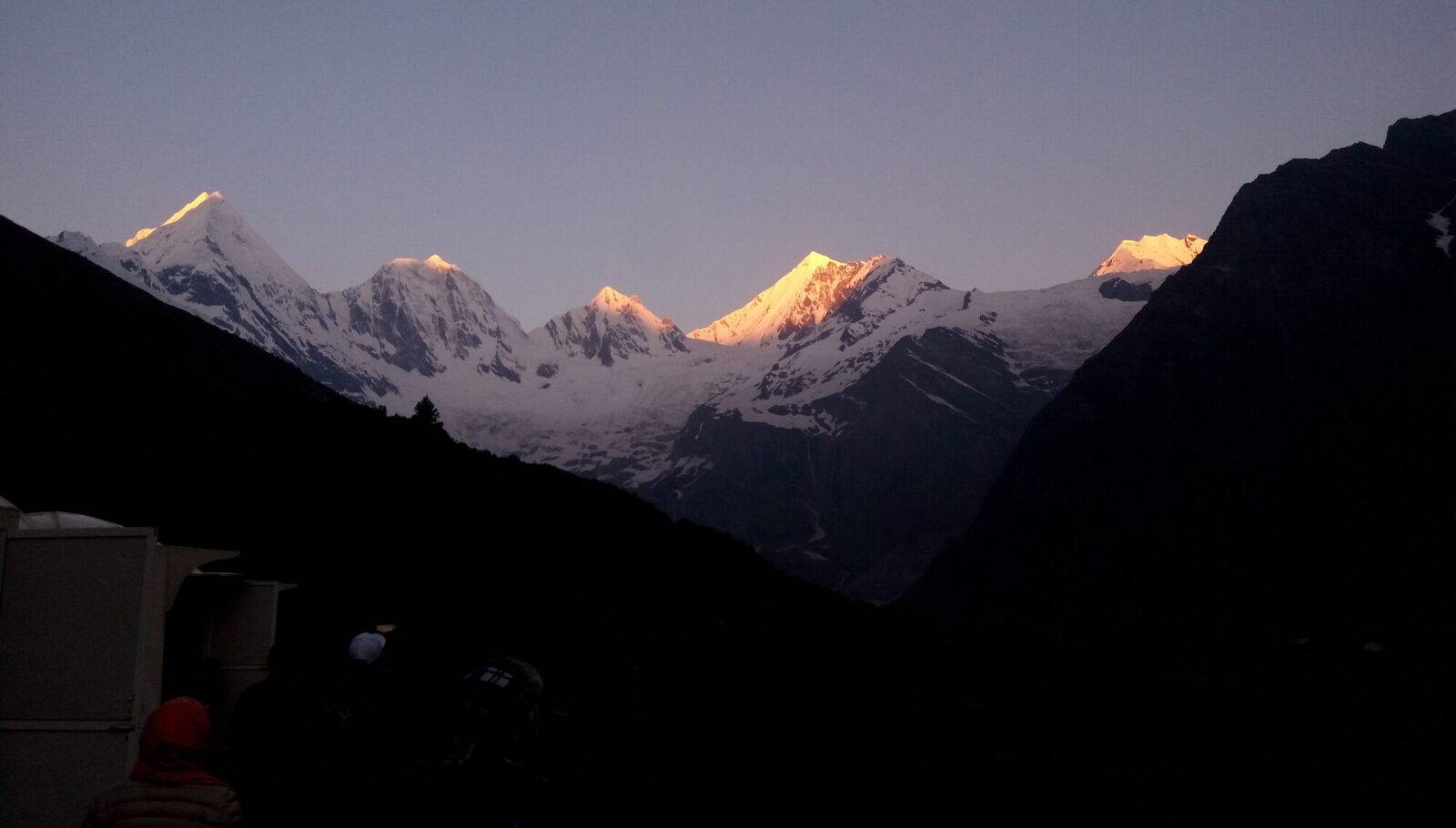
Hat Tharp
The historic market-heart of Didihat — a high-literacy Himalayan village, guardian of sacred forests, setting out on a community-led, low-carbon future for Uttarakhand.
0
Total Population
(2011 Census)
0.00
Literacy Rate
% (effective, 7+)
0
Regional Altitude
m above sea level
~0
Organic Farming Families
households
0
Community-Conserved Forest
% of village land
0
Sex Ratio
females / 1,000 males
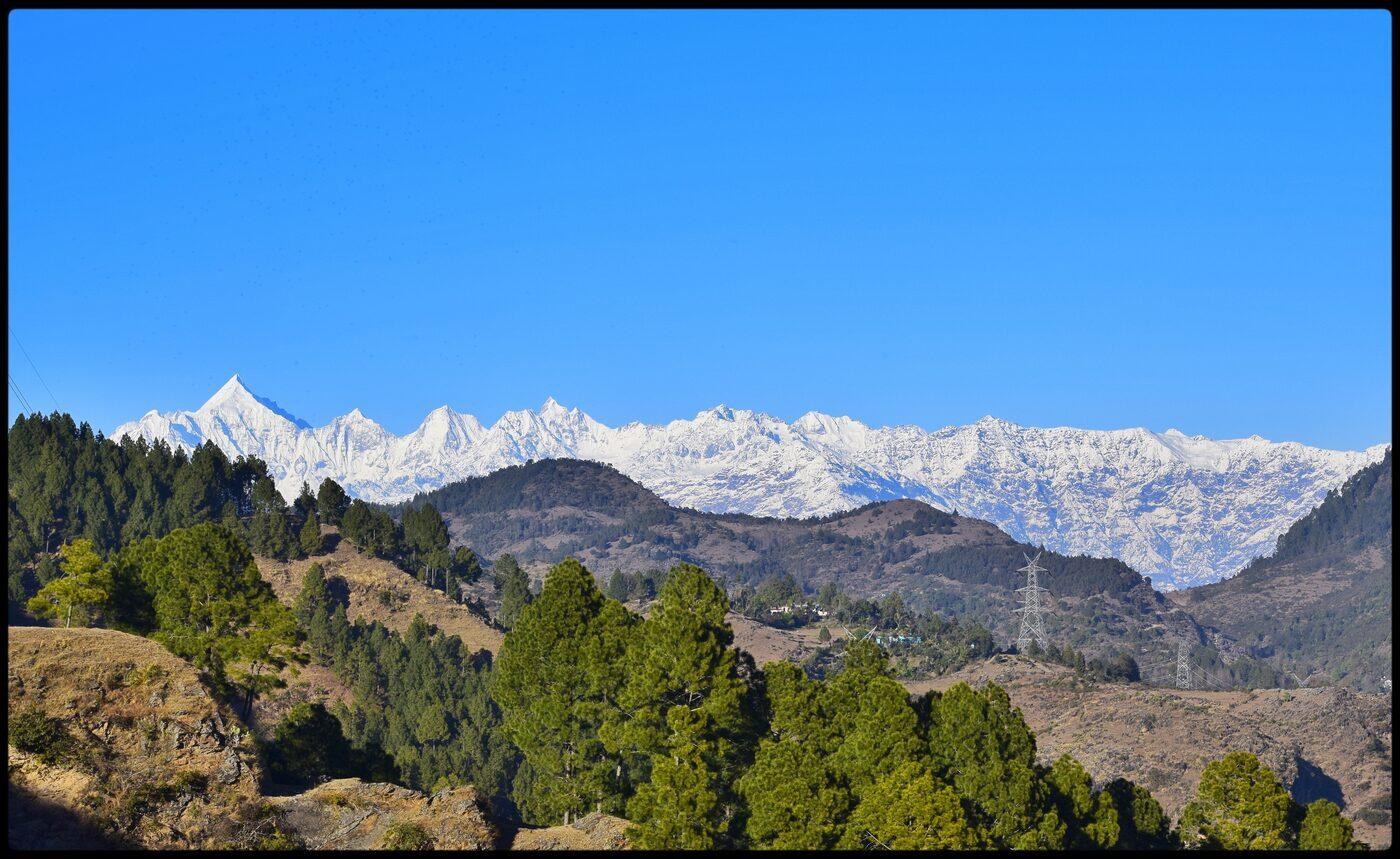
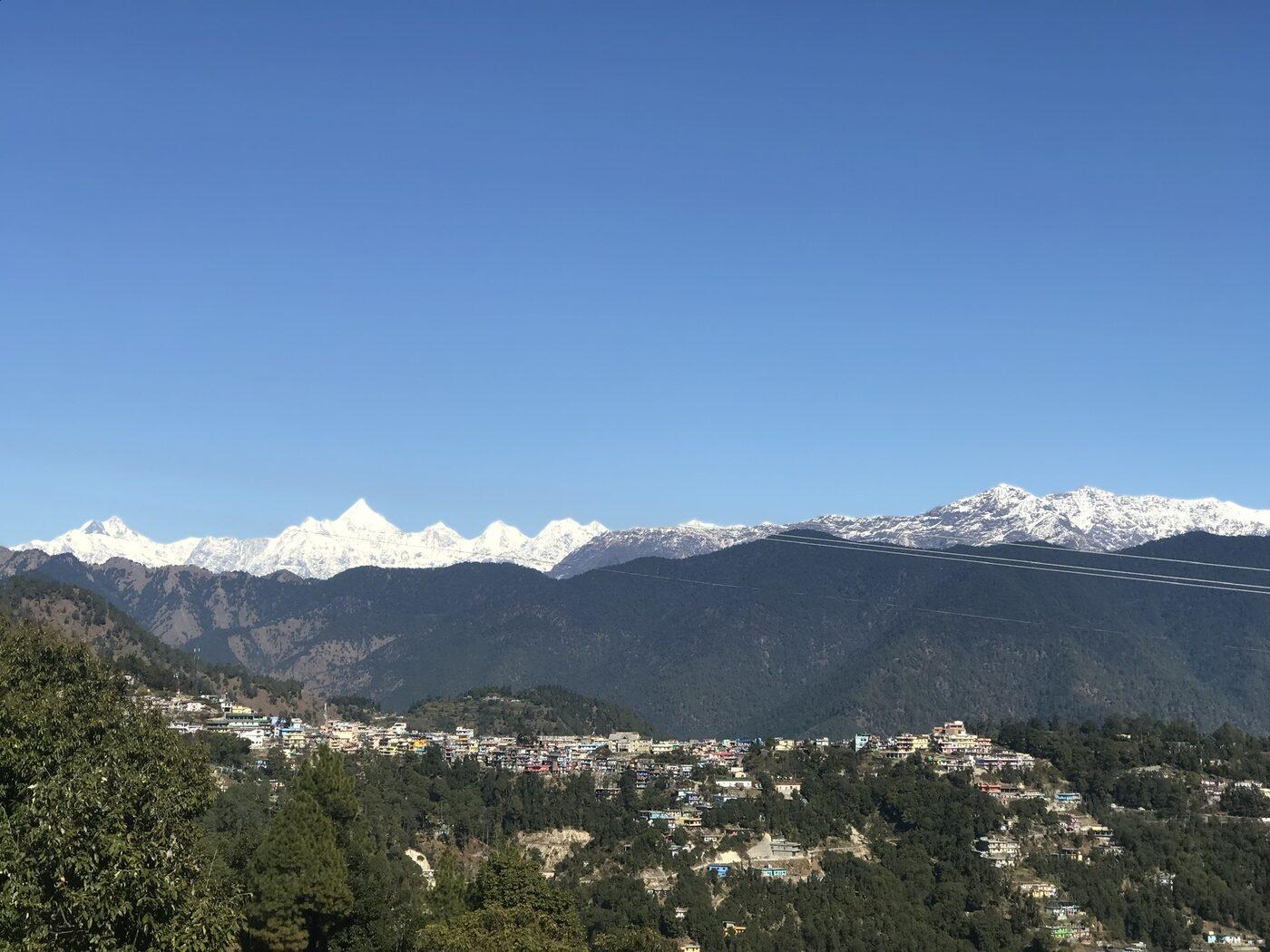 Didihat & the Panchachuli range
A Himalayan village with a story India should know
Hat Tharp is not a peripheral hamlet — it is the geographic, etymological and historical nucleus of Didihat, in Pithoragarh district, Uttarakhand. From this fertile valley, traders once exchanged Tibetan wool and salt for hill grain; today its people guard sacred forests, post some of India's finest rural literacy, and have set their sights on a carbon-smart future.
Mr. Manoj Bhandari
Gram Pradhan, Gram Panchayat Hat Tharp.
Namaskar, a warm welcome to Hat Tharp—the village from which Didihat itself takes its name. Under the leadership of the Gram Panchayat, we have embarked on the first phase of an ambitious journey to transform Hat Tharp into a Carbon-Smart Village—A community striving to be powered by solar energy, securing its livelihoods through rainwater harvesting and organic farming, and safeguarding the Netradhara River by keeping it clean and free of solid waste. For generations, our people have regarded these hills as sacred. Over the past fifteen years, we have dedicated our entire forest to Maa Bhagwati of Pankhu, allowing no axe to fell a single tree or a sapling. As a result, nearly ninety percent of our village remains covered in lush green forests—a living testament to our faith, stewardship, and respect for nature.This is more than an environmental initiative. It is a pledge to build a healthier, more resilient future for generations to come. By embracing renewable energy, conserving every drop of water, promoting sustainable agriculture, and protecting our forests and rivers, Hat Tharp aspires to become a model village where people and nature thrive together, proving that sustainable development can strengthen both communities and the environment. With our exceptionally high literacy, the leadership of the women who sustain these mountains, and the enduring goodwill of our diaspora, we believe this vision is within reach. I warmly invite every well-wisher, partner, and friend to join us on this journey to help make Hat Tharp a hope for the Himalayan region
— Mr. Manoj Bhandari
Pride of the Kumaon Himalayas
Verified against Census of India 2011 and public records — the genuine strengths on which our carbon-smart vision is built.
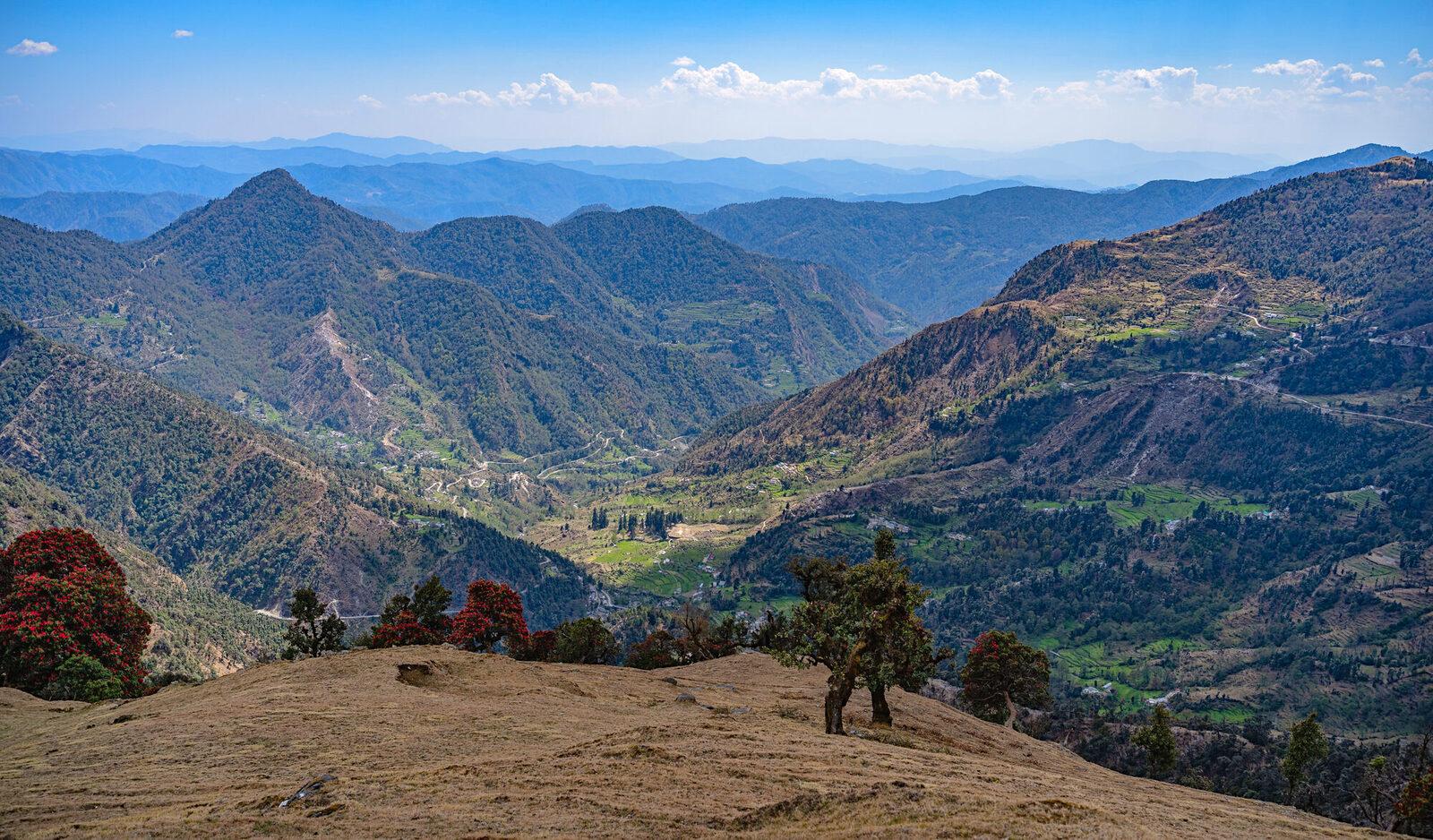 Kumaon forest valley
Centuries of stewardship, reborn as climate leadership
Planned and championed by Gram Pradhan Mr. Manoj Bhandari, Hat Tharp's carbon-smart programme is in its foundational phase. We are pairing a living tradition — community-conserved sacred forests covering nearly 90% of our land — with clean technology to become a recognised Carbon-Smart Village.
Solar-Powered Village
Rooftop and street solar lighting to cut grid/diesel dependence and secure power through harsh Himalayan winters.
Rainwater Harvesting
Recharge pits and storage tanks to replenish springs, ease pressure on the Charma and buffer erratic monsoons.
Organic Terrace Farming
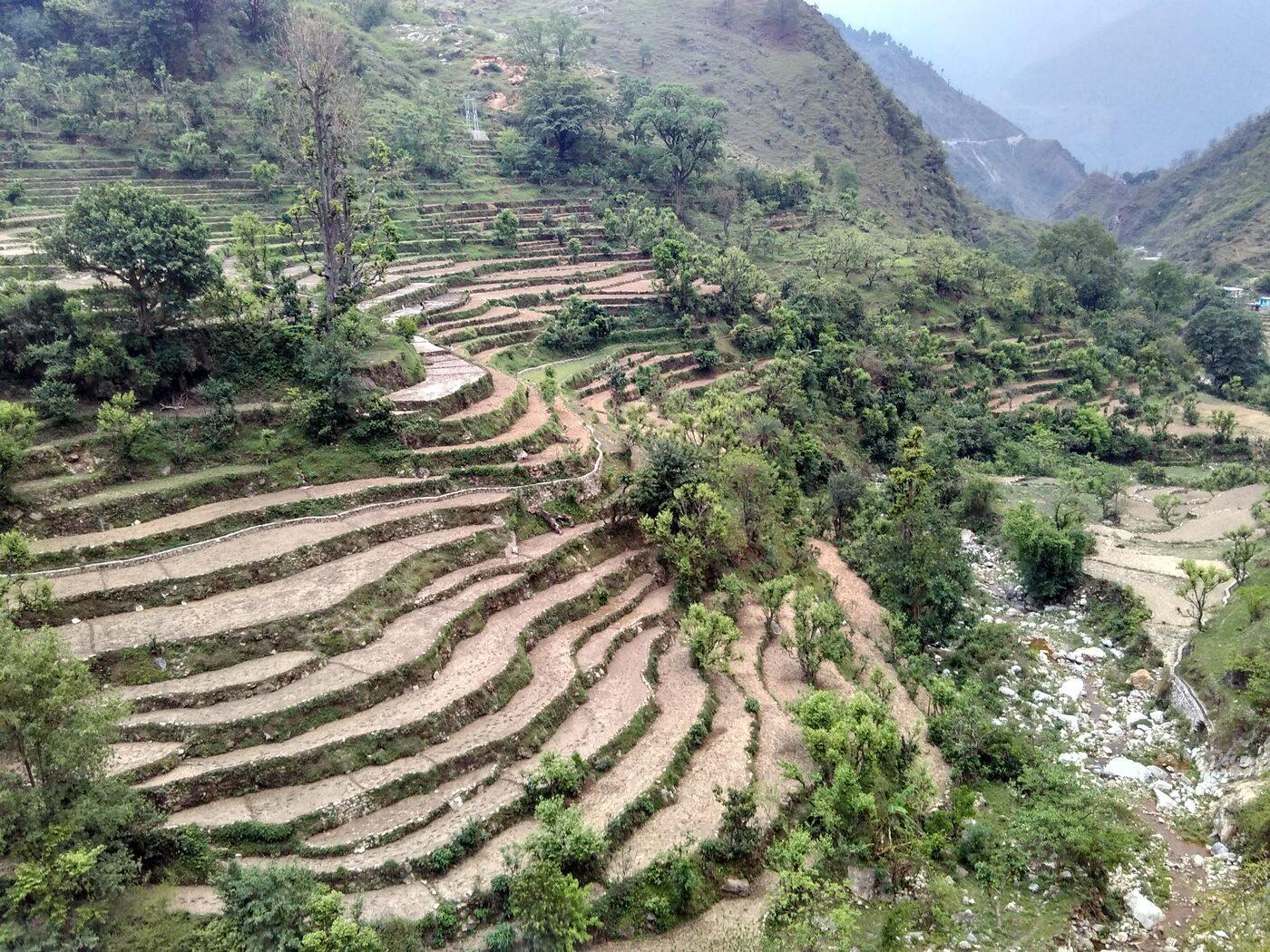
Scaling chemical-free cultivation of drought-resistant indigenous seeds — Madua, Bhatt and Kala Bhatt — across ~100 farming families.
Sacred Forest Conservation
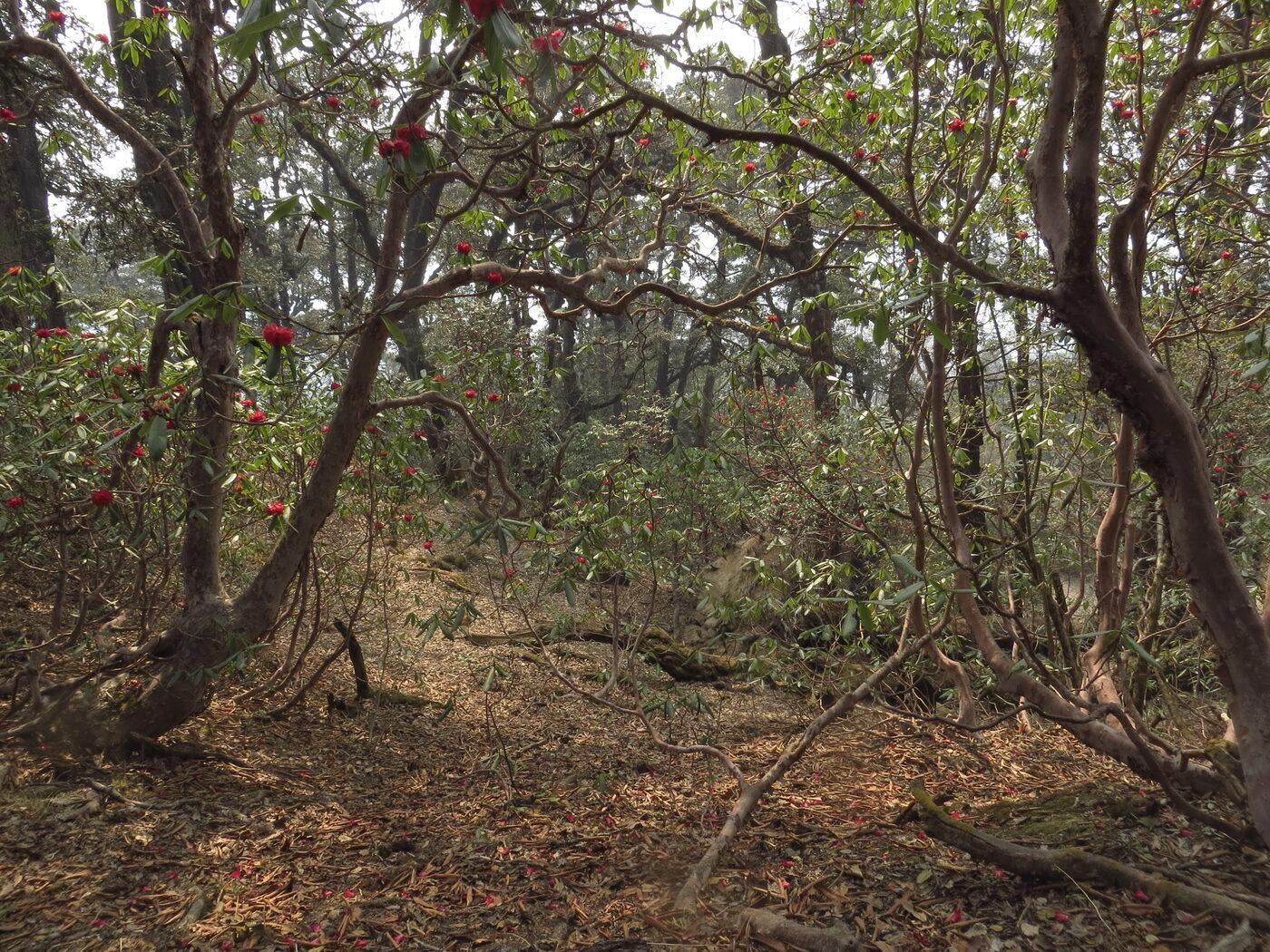
Formalising and expanding the community's deity-dedicated forests that already cover ~90% of village land.
Our national benchmark: Modhera, Gujarat — India's first 100%-solar village, powered by a 6 MW solar plant with 15 MWh of battery storage. Hat Tharp aspires to bring this proven model to the Himalayas, adapted to our terrain, terraces and traditions.
From the village
Be part of Hat Tharp's carbon-smart future
Whether you are a researcher, a son or daughter of this soil, or a well-wisher of the Kumaon Himalayas — your support helps us power homes with the sun, harvest the rain, and protect the Charma river.