The Best Time to Visit Didihat & Hat Tharp — A Season-by-Season Guide
Spring rhododendron, crystal post-monsoon peaks or winter snow? A month-by-month guide to the best time to visit Hat Tharp and Didihat — weather, views, festivals and what to pack.
Ask a local when is the best time to visit Didihat and Hat Tharp, and they will smile and say "every season has its own face." That is true — but if you are planning a trip, some faces are friendlier than others. Here is an honest, season-by-season guide to help you choose.
Hat Tharp's climate in one minute
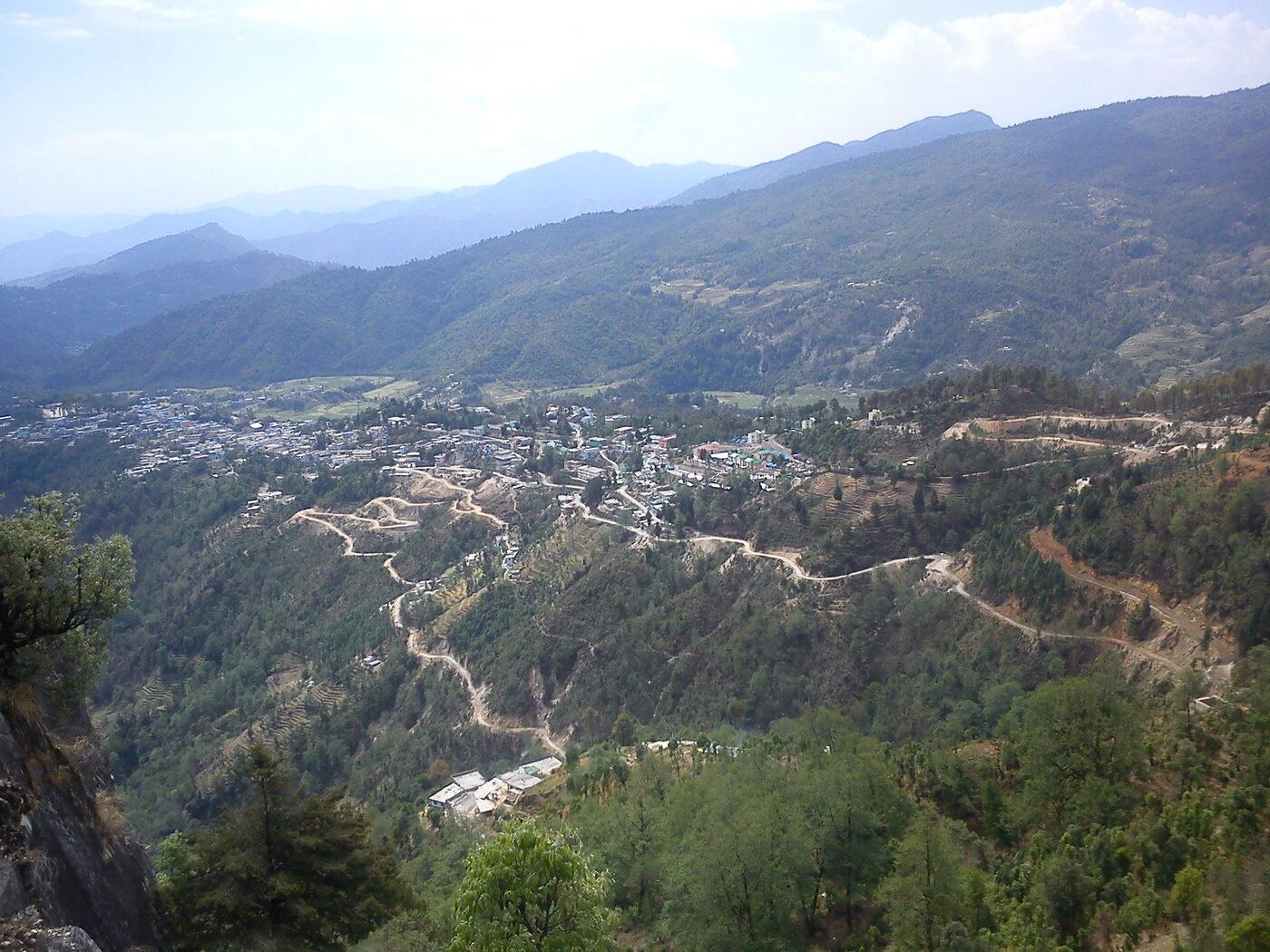
The village sits at around 1,725 metres, which gives it a pleasant temperate climate: warm, green summers and genuinely cold winters. Summer temperatures typically range from about 12°C to 25°C, while winter nights can dip to -2°C, with occasional snowfall on the higher ridges.
Indicative monthly temperatures
Approximate average high / low (°C) through the year
Source: Indicative figures for a ~1,725 m Kumaon hill village
Spring (March–June): the golden window
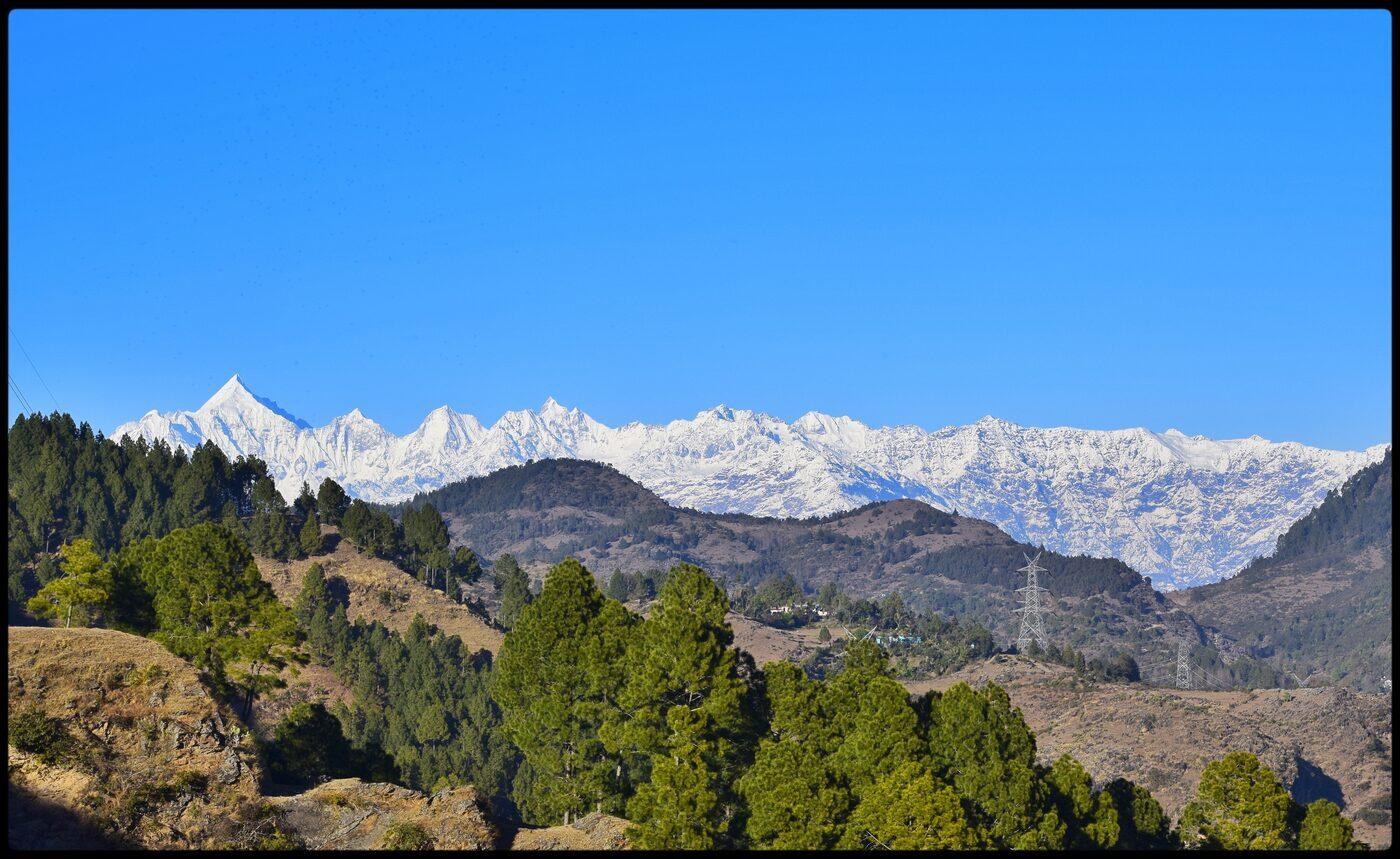
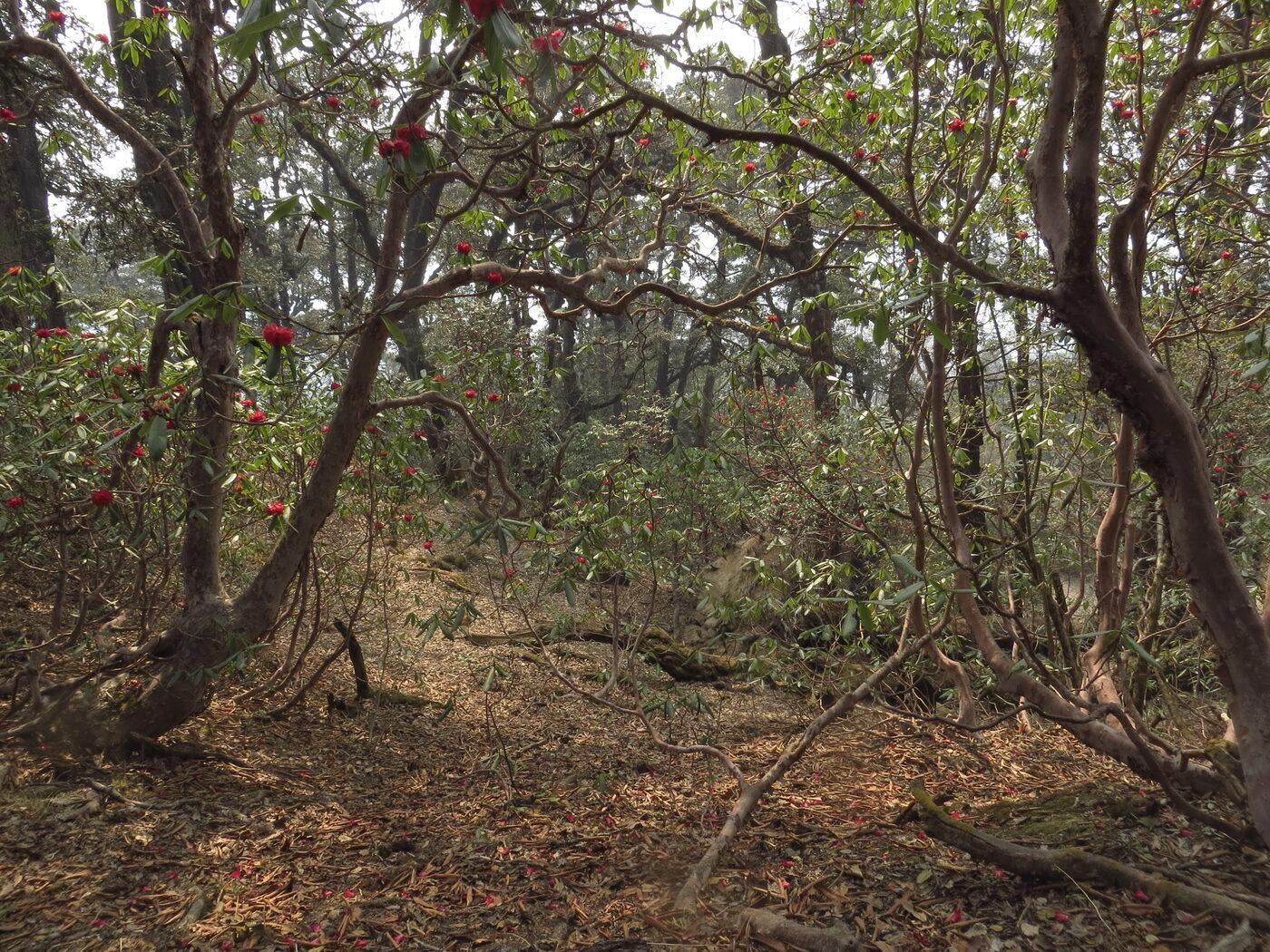
This is, for most visitors, the best time to visit. The air is clear, the days are warm, and the hillsides blaze with rhododendron (buransh) in bloom. The Panchachuli peaks, Nanda Devi sanctuary and Trishul massif stand out crisply against deep blue skies. It is perfect for photography, walks and homestays.
Monsoon (July–August): green but cautious
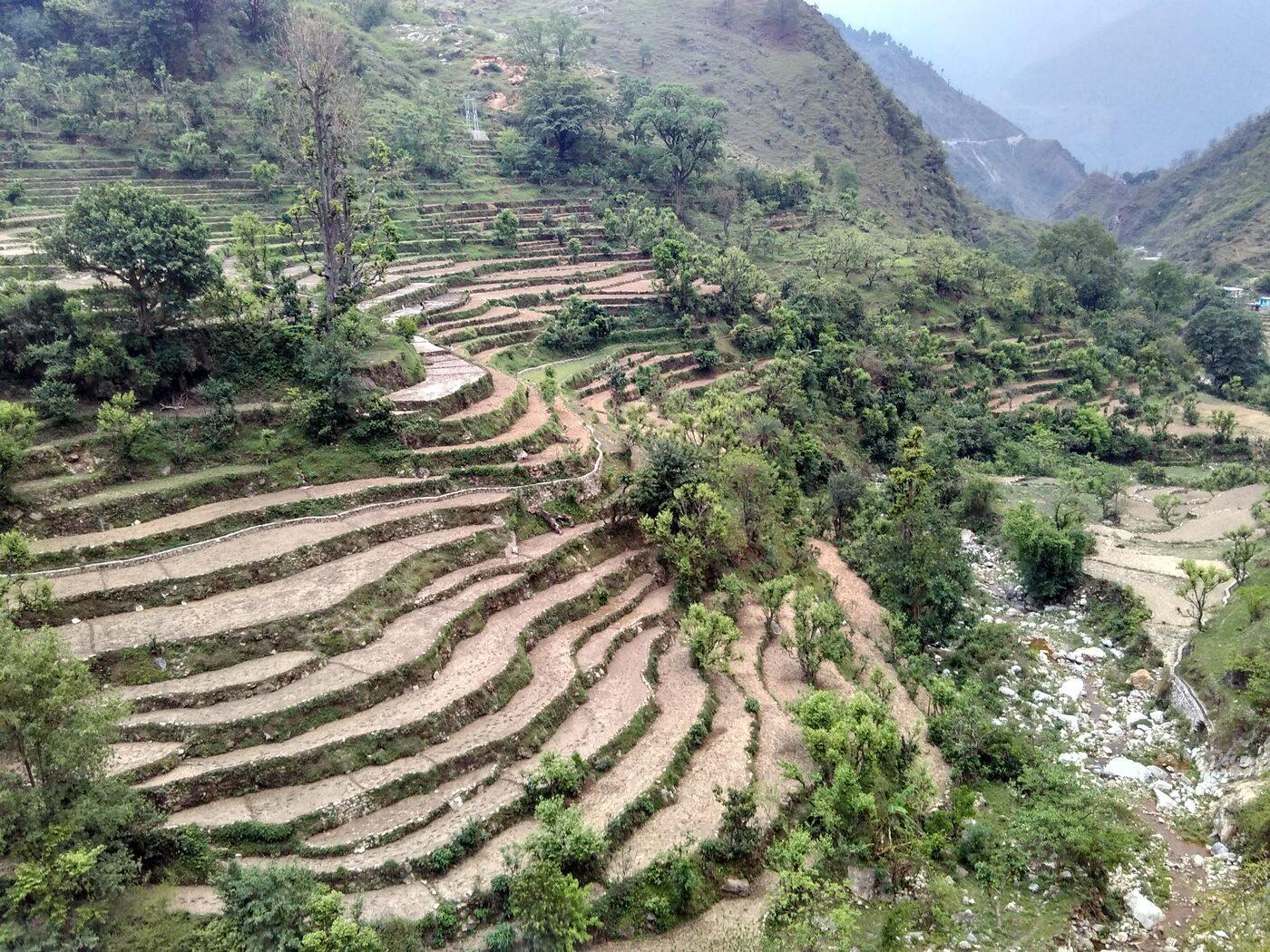
The monsoon turns the terraces a brilliant emerald and the springs sing — but it is the trickiest time to travel. Hill roads can suffer landslides, and clouds often hide the peaks. If you come, keep your itinerary flexible and your expectations gentle.
Autumn (September–November): the clearest skies
After the rains wash the dust away, autumn delivers the sharpest mountain views of the year. Temperatures are comfortable, the harvest is in, and the festival calendar is alive. Many travellers quietly consider this the very best season of all.
Winter (December–February): snow and solitude
Winter is cold, still and beautiful. Higher ridges may receive snowfall, and the village settles into a slow, woodsmoke rhythm. If you love solitude and don't mind sub-zero nights, this is a magical — if demanding — time to visit.
Festivals worth timing your trip around
- Shivratri at Sirakot: The Malaynath (Shiva) temple above the village draws devotees for a major fair — a vivid window into local faith.
- Harela: The Kumaoni festival of greenery and tree-planting, deeply tied to the village's sacred-forest tradition.
- Ramlila & community celebrations: Read more in our culture and heritage pages.
What to pack
Layers, always. Even in summer the evenings cool quickly. Bring a warm jacket for spring and autumn nights, serious winter wear from December to February, sturdy shoes for the trails, and a good camera — you will need it.
Ready to plan?
Pair this with our Didihat travel guide on how to reach Hat Tharp and our list of the top places to see. When you've picked your season, contact the Gram Panchayat to arrange a village homestay.