Hat Tharp Sets Out on Its Carbon-Smart Journey
How a remote Himalayan village of 459 people is becoming a carbon-smart heritage village — by modernising a way of life that was sustainable long before sustainability had a name.
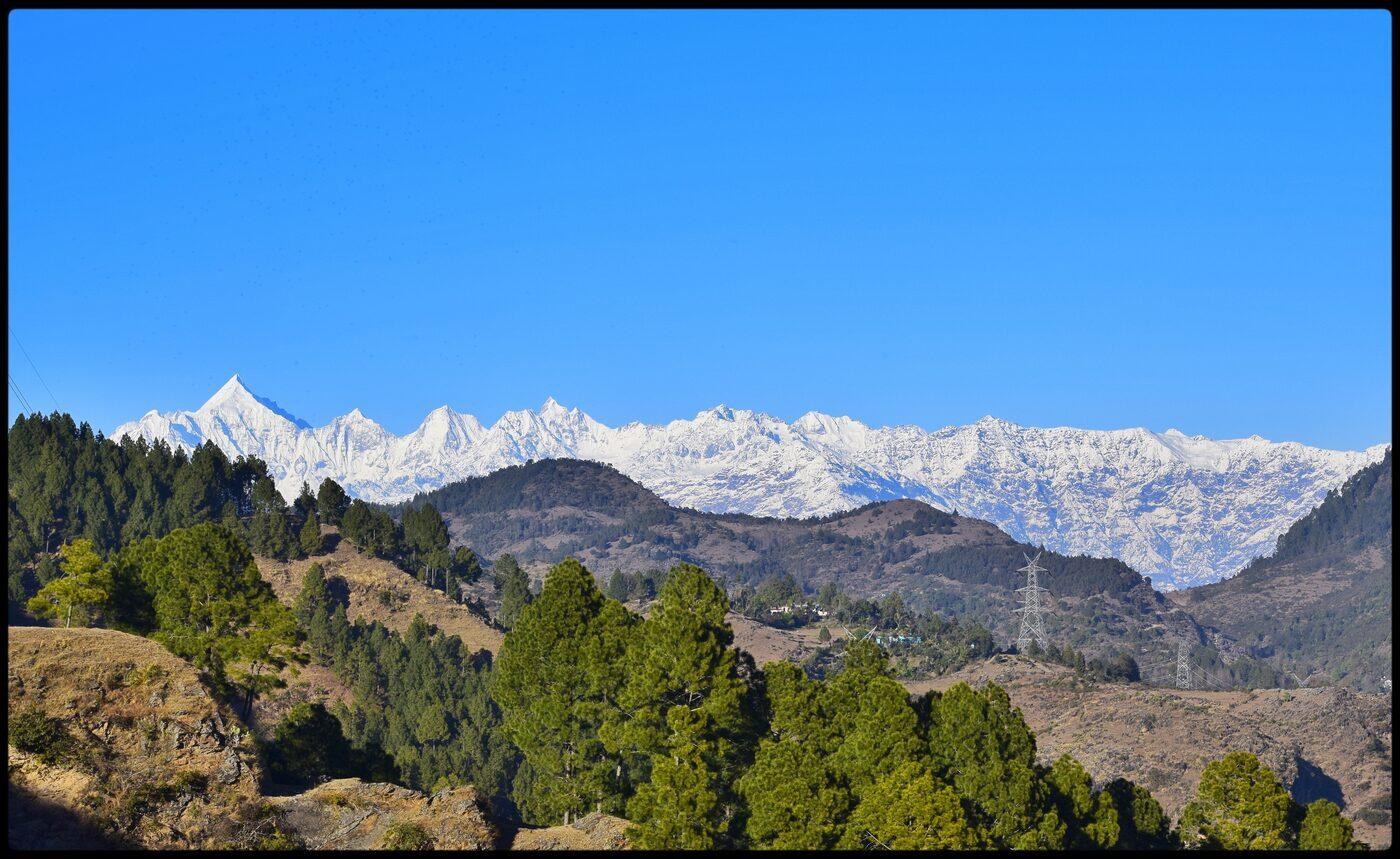
Every great transformation begins with a single, almost reckless act of imagination. For Hat Tharp, that act was deciding that a remote village of 459 people, clinging to a Himalayan ridge at 1,725 metres, could become something the world is still struggling to build: a carbon-smart village.
Not carbon-smart someday. Carbon-smart on purpose, starting now.
This is the vision the village has set for itself under Gram Pradhan Manoj Bhandari — and this is the honest, ground-level story of what that journey looks like in its early, hopeful, deeply human first phase.
What does "carbon-smart" really mean?
The phrase gets used loosely, so let us be precise. A carbon-smart village is one that deliberately works to reduce the carbon it releases and increase the carbon it captures, while making life better — not harder — for the people who live there.
It rests on three honest pillars:
- Emit less — cleaner energy, less waste, less burning, less plastic.
- Capture more — forests, trees, healthy soil, and living springs that pull carbon out of the air.
- Live well — because no climate plan survives if it makes a family poorer.
The remarkable thing about Hat Tharp is that it did not start this journey from zero. In many ways, the village has been carbon-smart for centuries — it simply never had the word for it.
The village was sustainable before sustainability was a slogan
Forests given to the gods
Long before "afforestation" entered any policy file, the people of Hat Tharp practised something more powerful: eco-theology. Large stretches of forest were dedicated to local deities, making them sacred and therefore untouchable. You do not cut a tree that belongs to the divine. Roughly 90% of the village's surrounding land remains under dense, community-protected forest — a living carbon sink maintained not by law, but by faith.
Food grown without a factory
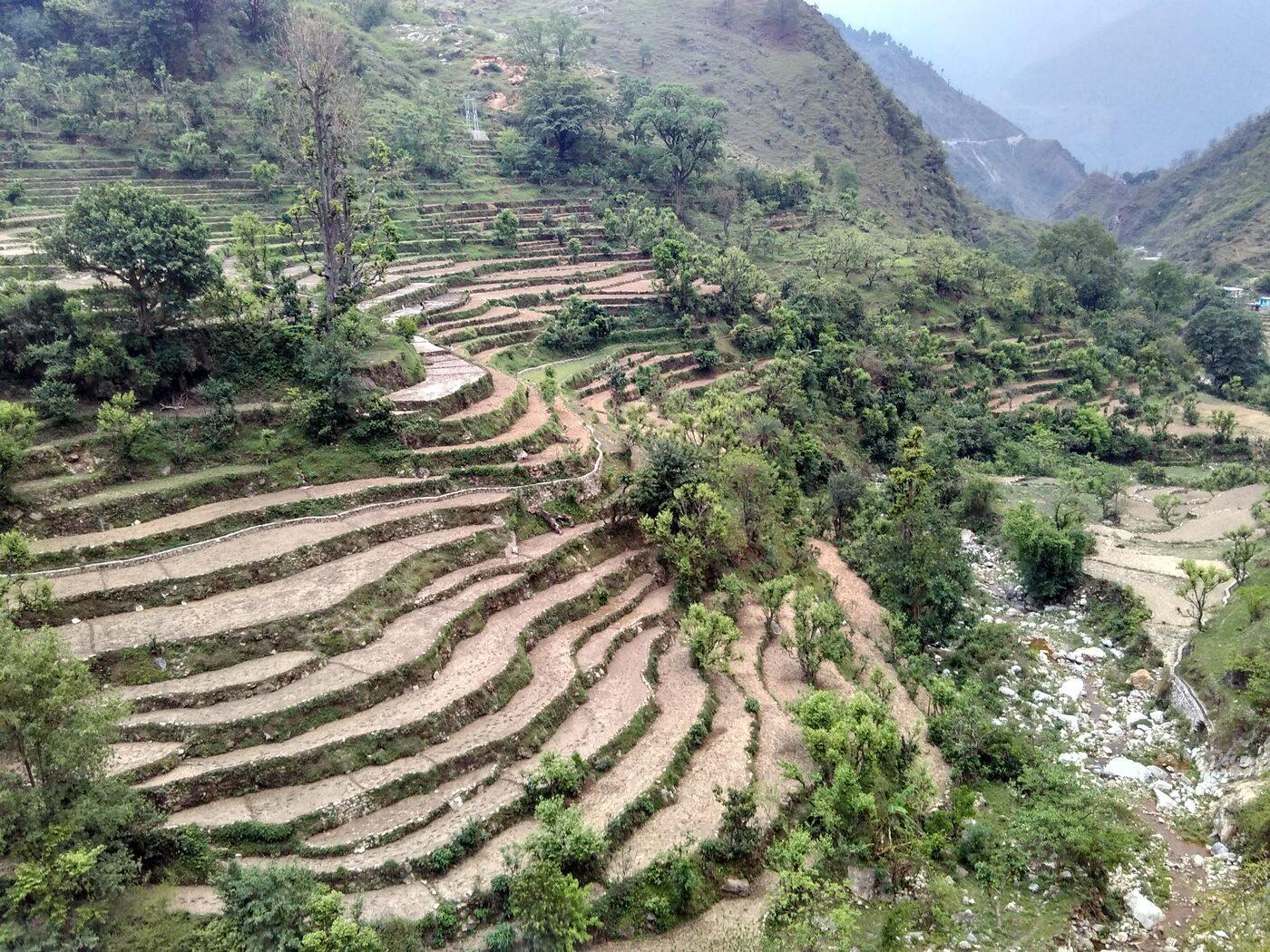
The village's farmers — around 100 families — have always practised what the world now calls organic farming, simply because it was the only farming there was. Their terraced fields grow paddy, finger millet (mandua), barley, wheat, and the prized black soybean (Kala Bhatt) using farmyard manure and indigenous seed, not chemical inputs trucked up from the plains.
A light footprint by tradition
Slate-roofed stone homes, locally sourced timber, food grown within walking distance, and a culture of repair-not-replace — the traditional Kumaoni way of life has a carbon footprint that the modern world is desperately trying to rediscover.
So why does the village need a "journey" at all?
Because tradition alone cannot hold the line against three modern pressures:
- Out-migration — like much of Uttarakhand, Hat Tharp lives partly on the "money-order economy," with many young people working in distant cities. Empty homes and ageing farmers put traditional land care at risk.
- Creeping waste — plastic and packaged goods now reach even the remotest market. A culture that produced almost no non-degradable waste suddenly must manage it.
- Climate volatility — erratic snowfall, shifting monsoons, and the ever-present reality of living in Seismic Zone 5, the highest earthquake-risk category in India, demand resilience that nostalgia cannot provide.
The carbon-smart vision, then, is not about importing a foreign idea. It is about defending and modernising a way of life the village already has — giving an ancient wisdom new tools.
The early initiatives: small, real, and growing
This is the starting phase, and Hat Tharp is honest about that. These are not finished triumphs; they are seeds in the ground.
Clean energy
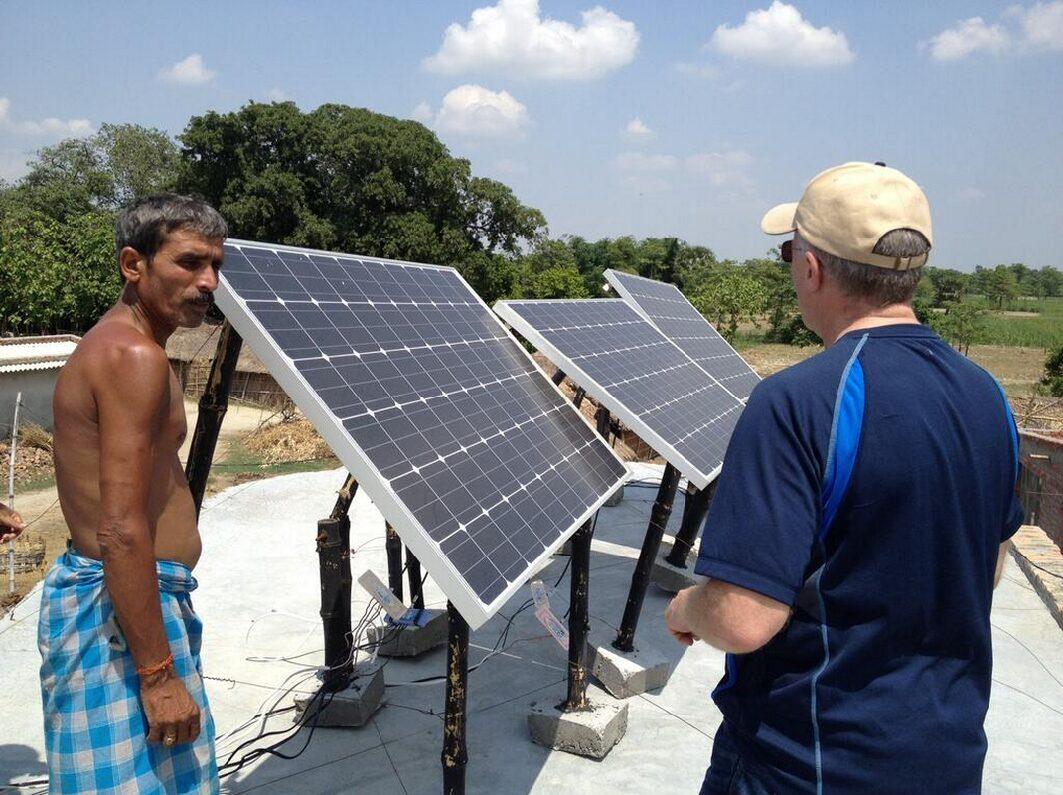
Extending solar lighting to public paths and homes, reducing dependence on the grid and on kerosene, and lighting the village without adding to its emissions.
Water security
Rainwater harvesting and the protection of natural springs (naulas and dharas) that feed the Charma River — because in the hills, water is survival, and a recharged aquifer is a carbon-smart aquifer.
Waste as a resource
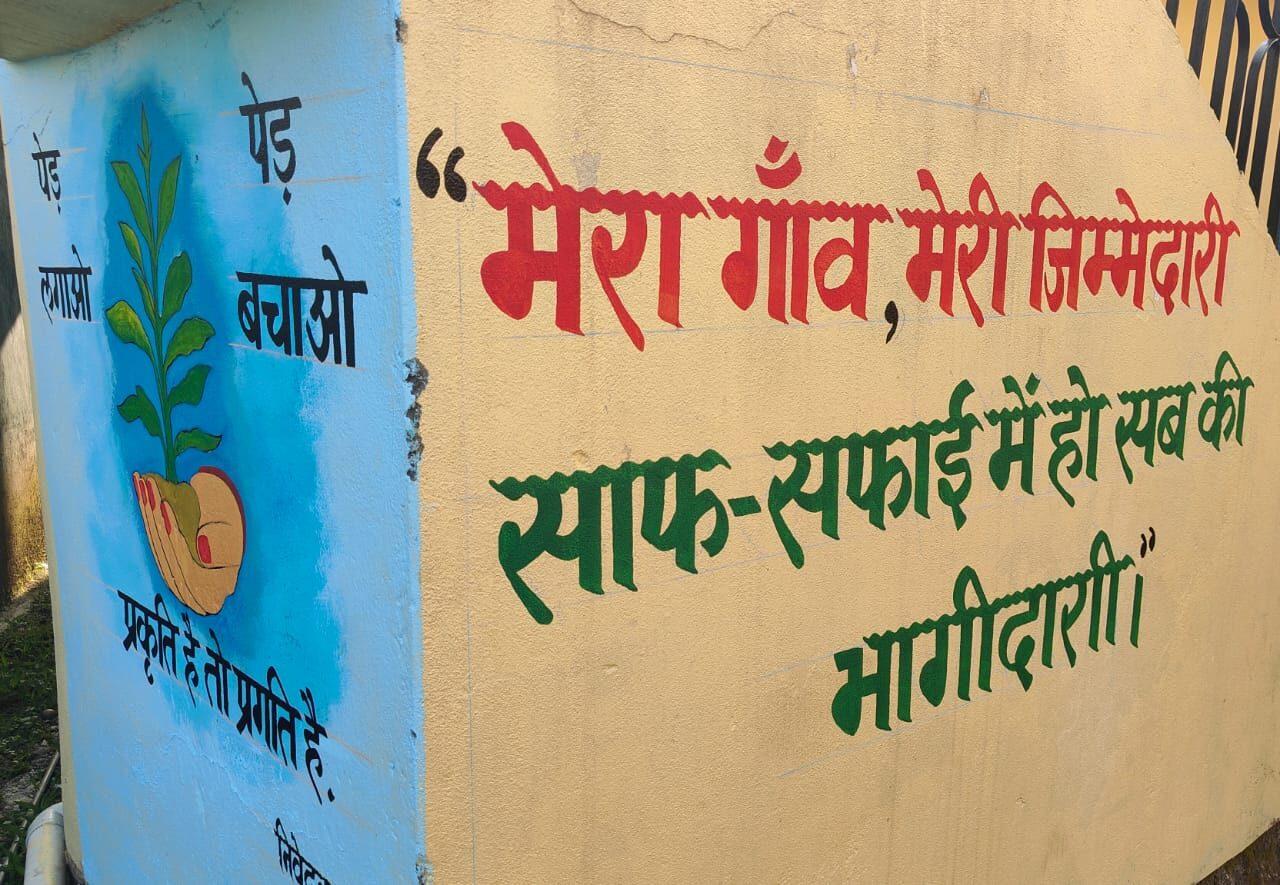
The "Garbage-Free Gram Panchayat" mission — source segregation, composting, and plastic reduction — turning what was once a problem into manure for the fields.
Growing the carbon sink
Community tree-plantation drives, especially during the festival of Harela, layering modern afforestation on top of the village's sacred-forest tradition.
Protecting what already works
Formalising the conservation of the deity-dedicated forests, so that the village's greatest climate asset is protected for the generations who will inherit it.
"This is just the beginning," says Pradhan Manoj Bhandari. "Every plan has been made keeping the village's future in mind. We are not copying anyone — we are building Hat Tharp's own model, rooted in our soil, our forests, and our people."
Who does the work in Hat Tharp
Workforce of 250, of whom most are cultivators and farm labour
Source: Census of India 2011
Why a small village is the right place to start
There is a quiet logic to beginning here, and it is worth saying plainly.
Small scale means real participation. With just 114 households, every family can be part of the plan. There are no anonymous millions to lose in the crowd.
High literacy means fast learning. At 91.27% literacy — well above the national rural average — new ideas spread quickly and are understood deeply. Hat Tharp is an educated village, and educated villages adapt.
Strong community means staying power. In the hills, collective labour (shramdaan) and shared decision-making are not new management theories — they are how things have always been done.
A living tradition means authenticity. The village is not bolting sustainability onto an unsustainable life. It is amplifying a sustainable life that already exists.
The honest challenges ahead
A vision that hides its difficulties is just marketing. Hat Tharp's are real:
- Funding clean-energy and water infrastructure in remote terrain is expensive.
- Reversing out-migration requires livelihoods, not just lectures — eco-tourism, value-added organic produce, and local enterprise.
- Behaviour change, even in a small village, takes patient years, not press releases.
- Climate and seismic risk demand resilient building and disaster preparedness alongside every green initiative.
The village names these challenges openly, because a goal you are honest about is a goal you can actually reach.
How you can be part of the journey
Hat Tharp's transformation is designed to be shared. Whether you are a former resident in a distant city, a researcher, a traveller, or simply someone who believes that the future of the planet will be decided in places exactly like this one — there is a place for you here.
- Visit. Responsible, low-impact tourism brings income that keeps young people on the land.
- Connect. The diaspora's knowledge, networks, and support are among the village's greatest resources.
- Support. Carbon-smart infrastructure — solar, water, waste — grows faster with friends.
Reach the Gram Panchayat at +91 98737 51617 or admin@villagehat.in.
A future worth climbing toward
The world tends to imagine that the climate fight will be won in laboratories and parliaments. Perhaps. But it will also be won — or lost — on terraced hillsides like this one, in the daily choices of farmers, mothers, schoolchildren, and a Pradhan who decided his village would not wait for permission to build its future.
Hat Tharp has begun its carbon-smart journey. The road is long, the air is thin, and the climb is real. But this is a village that has always known how to climb.
And it has decided, together, exactly where it is going.